
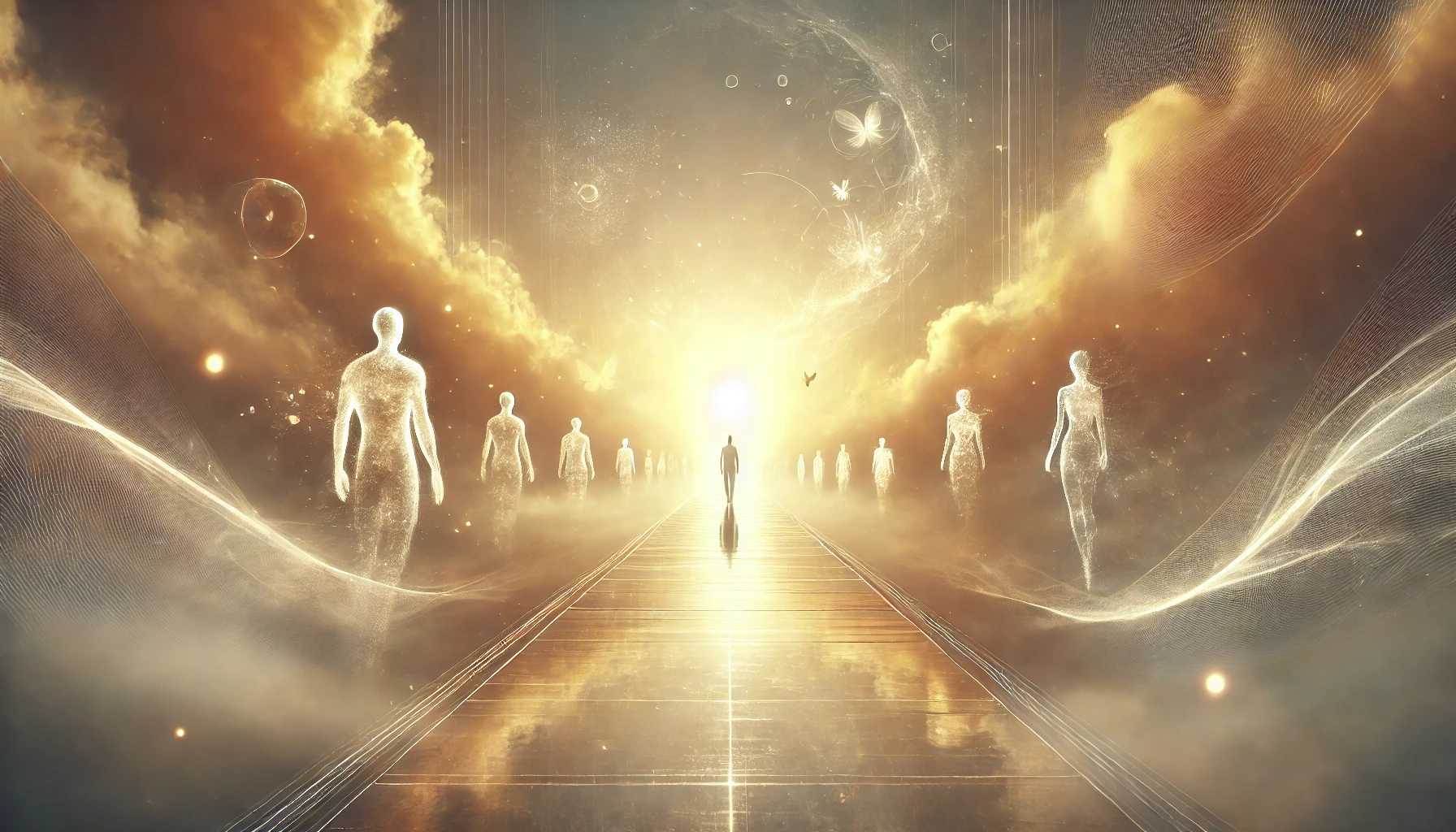
A new report compiling accounts of near-death and afterlife experiences has drawn attention for its detailed personal testimonies and discussions about what some interpret as evidence of life after death.
The collection includes narratives from individuals who say they perceived encounters or sensations they associate with an afterlife, including visions of light, feelings of peace, or interactions they interpreted as spiritual. Some participants referenced concepts rooted in religious traditions, while others described more universal experiences.
Researchers behind the compilation emphasize that the accounts are firsthand narratives and do not constitute scientific proof of an afterlife. They note that such experiences may have a variety of psychological, neurological, or cultural explanations.
Experts in neuroscience and psychology caution that while near-death experiences can be powerful and meaningful for individuals, they do not provide empirical evidence confirming the existence of heaven or other metaphysical realms. They point out that similar experiences can arise from brain activity under extreme stress or lack of oxygen.
The study has sparked public interest and debate, with discussions focusing on how personal beliefs, cultural context, and scientific inquiry intersect when interpreting extraordinary human experiences. While the report highlights compelling stories, the scientific community continues to seek rigorous methods to understand the origins and significance of such phenomena.