
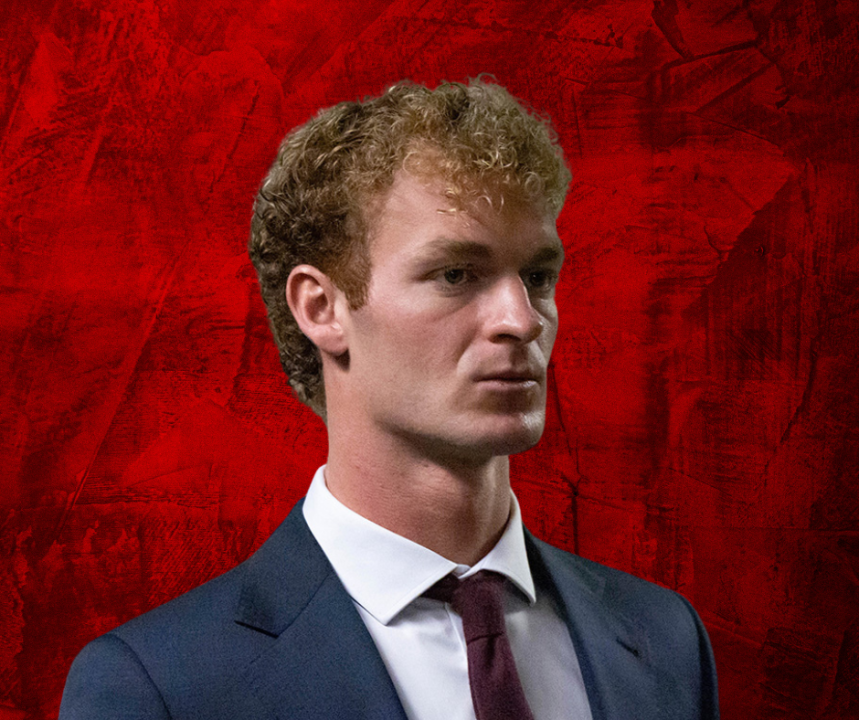
A key defense witness in the trial of Daniel Penny, a former Marine facing charges in the death of Jordan Neely, returned to the stand to reinforce his position that the chokehold used during the incident was not the direct cause of death. The trial, which has garnered significant public attention, centers on a confrontation that occurred aboard a New York City subway earlier this year.
The defense has argued that multiple factors contributed to Neely’s death, including his pre-existing medical conditions and substance use. The expert witness, a medical professional with extensive experience in forensic pathology, testified that Neely’s demise resulted from a combination of these factors rather than solely from the chokehold applied by Penny.
According to the testimony, Neely’s physical health and toxicology report revealed complications that could have exacerbated the situation. The witness emphasized that while the chokehold contributed to the altercation, it was not the sole or primary factor leading to Neely’s death.
The prosecution, however, contends that Penny’s actions were reckless and directly responsible for Neely’s death. They argue that the chokehold Penny applied went beyond what was necessary to subdue Neely, who had been behaving erratically on the subway but was not armed.
Neely, a homeless man with a history of mental health struggles, had been known for his Michael Jackson impersonations in the city but had recently experienced a downward spiral. His death has reignited debates around mental health care, public safety, and the rights of bystanders to intervene in volatile situations.
The case has polarized public opinion, with some viewing Penny as a Good Samaritan who stepped in to protect others and others seeing his actions as excessive and dangerous. Demonstrators on both sides have gathered outside the courtroom during the proceedings.
As the trial progresses, the defense’s strategy appears focused on highlighting the complexities surrounding Neely’s death, aiming to establish reasonable doubt about Penny’s culpability. Meanwhile, the prosecution remains steadfast in presenting Penny’s actions as reckless and preventable.
Closing arguments are expected soon, and the outcome of this high-profile case could have broader implications for how the justice system navigates similar incidents in the future. The jury will ultimately decide whether Penny’s intervention was a justified act of self-defense or an overreach that resulted in an avoidable death.