
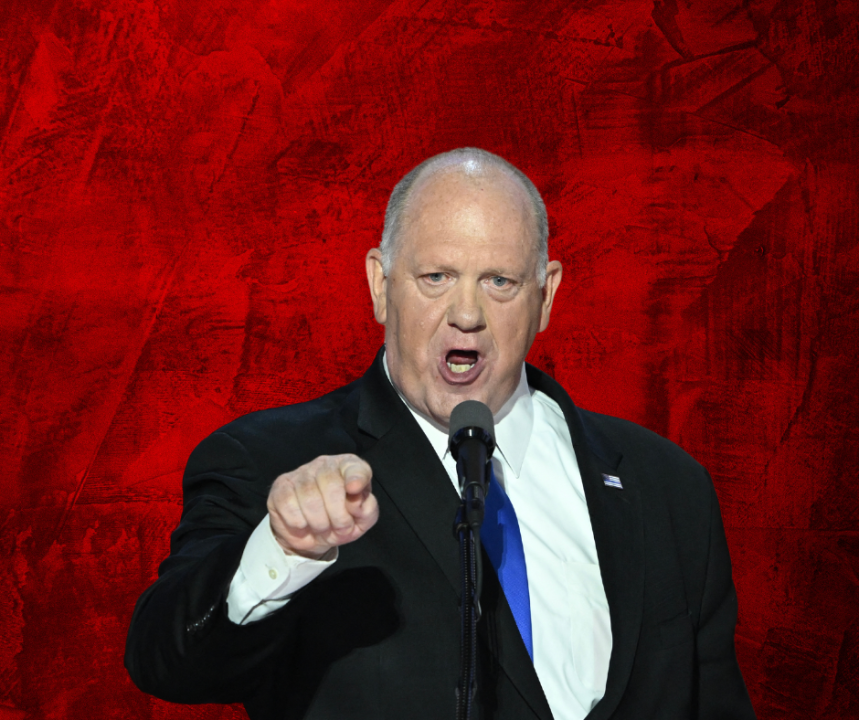
Tom Homan, appointed as former President Trump’s border czar, has strongly criticized San Diego’s recently implemented “super sanctuary” policy, promising to take steps to challenge its enforcement. The policy, which expands protections for undocumented immigrants, has drawn sharp criticism from Homan and others who view it as undermining national security and immigration laws.
The controversial measure prevents local law enforcement from cooperating with federal immigration agencies, such as Immigration and Customs Enforcement (ICE), in detaining or handing over undocumented individuals unless there is a criminal conviction for specific violent offenses. Supporters argue the policy is designed to build trust between immigrant communities and local authorities, encouraging cooperation in reporting crimes.
Homan, however, accused the city of prioritizing politics over public safety, warning that such policies create safe havens for criminals and compromise law enforcement’s ability to uphold federal immigration laws. “This will encourage illegal crossings and put communities at greater risk,” he stated, adding that it weakens the partnership between federal and local agencies needed to combat illegal immigration effectively.
Homan also pledged to take action to counter San Diego’s policy, although he did not elaborate on specific steps. He emphasized that policies like these send the wrong message, potentially encouraging more unauthorized border crossings.
San Diego officials have defended their stance, asserting that the policy protects immigrant families while ensuring resources are focused on addressing major crimes. They argue that involving local law enforcement in federal immigration enforcement deters residents from coming forward to report crimes or seek assistance, undermining public safety efforts.
The debate over San Diego’s expanded sanctuary protections highlights broader tensions between federal immigration priorities and local jurisdictions’ policies. Homan’s remarks signal a renewed push to align immigration enforcement across the country, setting the stage for a contentious battle over state and local authority in immigration matters.