
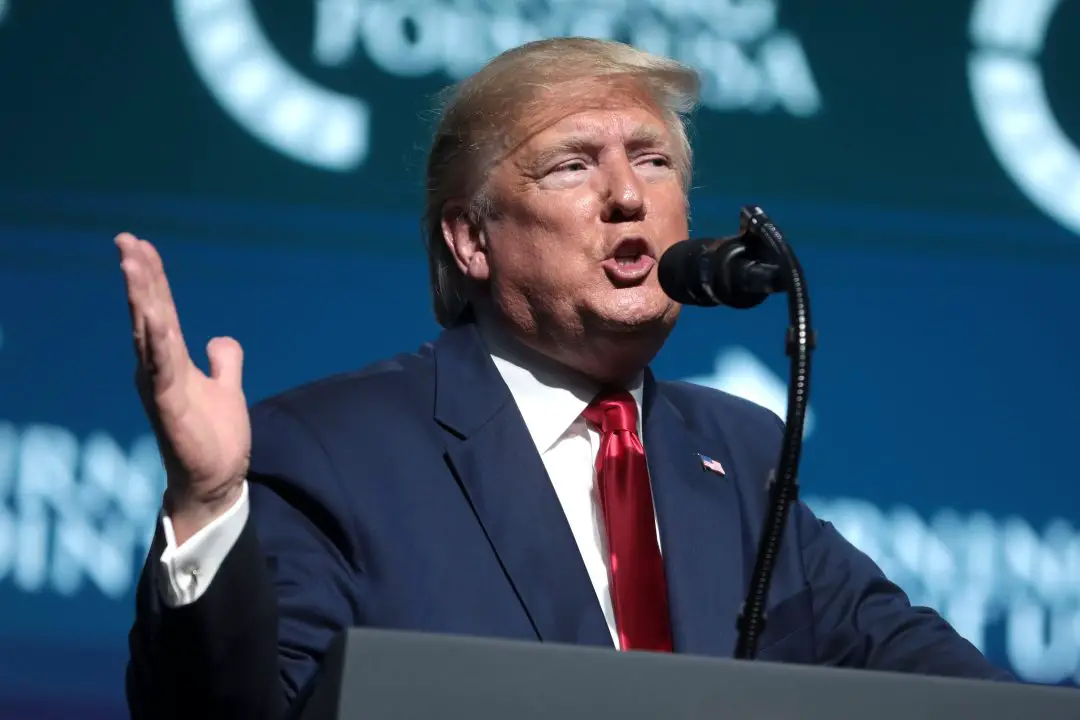
A recent development at the U.S. Supreme Court is drawing attention for its potential impact on President Donald Trump’s authority, as the justices signal tighter scrutiny of expansive executive power.
The shift centers on how broadly a sitting president can act without direct authorization from Congress. Legal observers say the Court’s direction reflects a renewed emphasis on constitutional separation of powers, reinforcing limits on unilateral executive actions.
While the move does not erase prior policies, it clarifies that certain areas of federal authority remain squarely within the legislative branch’s control. Analysts note that the decision could influence how the Trump administration structures future executive orders and regulatory actions.
The development comes amid ongoing national debate over the boundaries of presidential authority and the judiciary’s role in policing those limits. Supporters of the Court’s posture describe it as a reaffirmation of checks and balances, while critics argue it could constrain a president’s ability to act decisively.
As President Trump continues to pursue his policy agenda, the Court’s stance is expected to shape the legal framework surrounding executive power in the years ahead.