
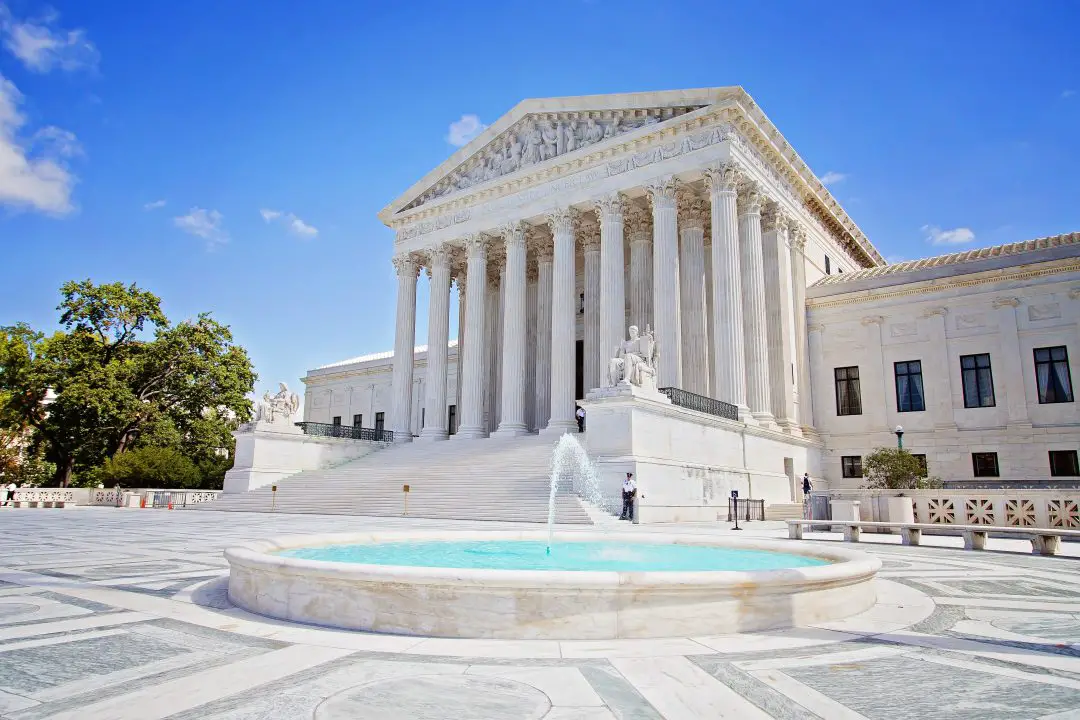
The Supreme Court of the United States, including several conservative justices, raised serious objections during oral arguments to the use of the International Emergency Economic Powers Act (IEEPA) by the Donald Trump administration to impose sweeping tariffs. The court questioned whether the act, which does not explicitly authorize tariffs, gives the president broad unilateral power to impose duties on imports.
Justice Neil Gorsuch warned that if the president is granted the authority to impose tariffs under IEEPA, “Congress, as a practical matter, can’t get this power back.” He described the situation as a “one-way ratchet” of expanding executive power away from the legislative branch.
Chief Justice John Roberts emphasized that the authority to impose taxes or duties traditionally resides with Congress, questioning whether allowing this power through IEEPA would create a “major question” requiring explicit congressional authorization.
Liberal justices also expressed skepticism, noting that IEEPA was intended to limit, not expand, presidential authority—especially given that previous presidents have not used it to impose general tariffs.
Conservative Justices Samuel Alito and Clarence Thomas appeared more receptive to the administration’s argument that national emergencies might justify such tariffs, but they emphasized the need for clearer legislative language.
The case has widespread implications. If the court rules against the administration, the government could be forced to refund billions of dollars collected under the disputed tariff regime. Some estimates place the collected revenue under IEEPA-based tariffs at nearly $90 billion to date.
Legal experts say the outcome will determine whether future presidents can deploy emergency statutes to impose trade duties without new legislation from Congress. Observers expect a decision by mid-2026, which could reshape executive trade authority for years to come.