
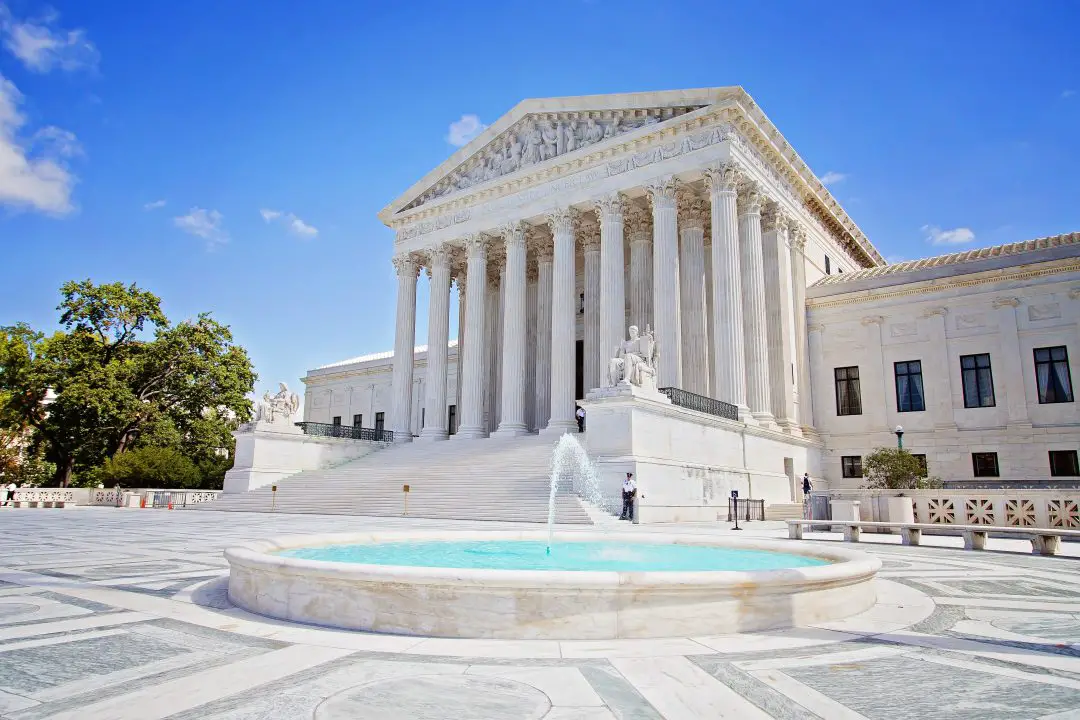
The Supreme Court has ruled in a 5–4 decision that the U.S. Postal Service (USPS) cannot be sued for intentionally failing to deliver mail, a legal protection that shields the agency from certain civil liability.
In a closely divided ruling, the high court concluded that the Postal Service enjoys broad immunity from lawsuits related to its delivery decisions, even if those delays are deliberate. The majority opinion held that existing federal law bars such legal challenges against USPS actions tied to its core mission of mail delivery.
The decision means individuals and businesses cannot bring civil suits against the Postal Service for alleged intentional disruptions or omissions in the delivery of mail. Dissenting justices argued that the ruling limits accountability for citizens and entities harmed by postal actions.
The case arose after plaintiffs alleged that the Postal Service knowingly failed to deliver mail in a manner that caused them harm. Lower courts had been divided over whether USPS could be held legally responsible, prompting the Supreme Court to weigh in and clarify the extent of the agency’s legal protections.
USPS attorneys welcomed the decision, saying it reinforces statutory safeguards designed to allow the agency to operate without fear of litigation over routine delivery judgments. Consumer rights advocates, however, expressed concern that affected parties are left without a legal remedy when mail mishandling stems from intentional choices rather than accidental error.
The ruling sets a significant precedent regarding federal agency immunity and could influence how similar lawsuits against government entities are handled in the future. It also highlights ongoing debates about accountability, public services, and legal recourse for citizens who experience disruptions in government-provided functions.