
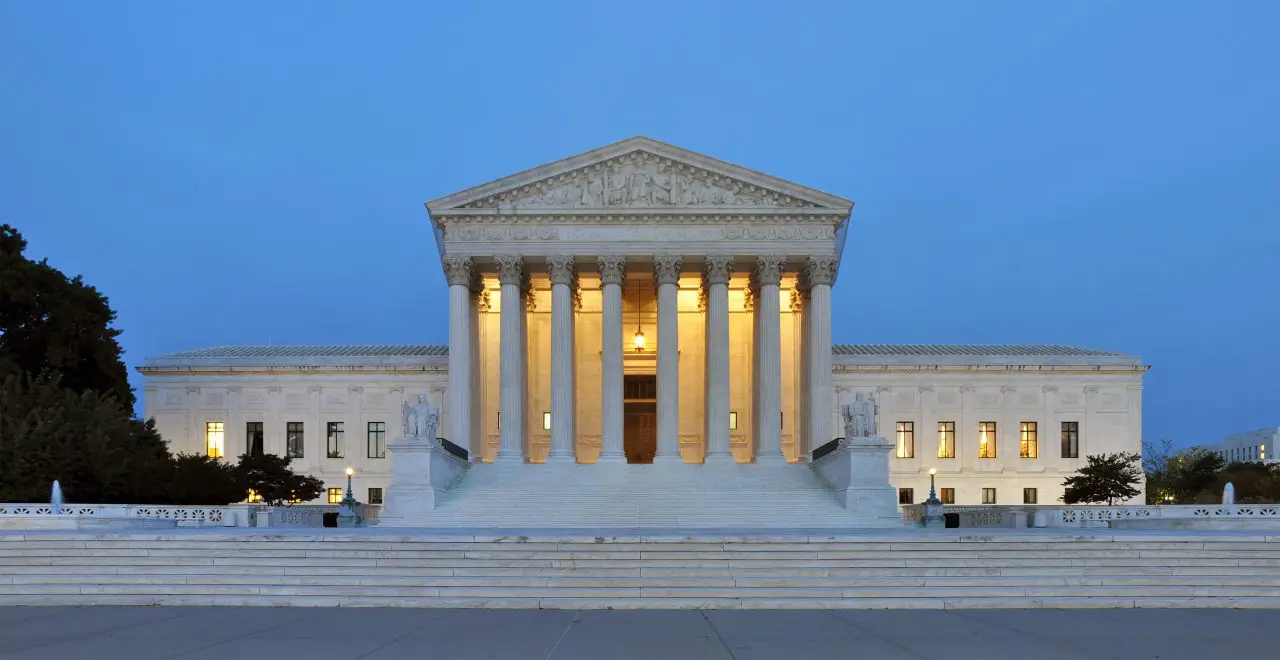
The U.S. Supreme Court appears poised to limit how much race can factor into drawing congressional districts, potentially scaling back a key enforcement tool in the Voting Rights Act.
At a Wednesday hearing in Louisiana v. Callais, conservative justices questioned the constitutionality of mandating race-based map adjustments—even when intended to address minority vote dilution. At issue is a Louisiana map that added a second majority-Black district after lower courts found the prior configuration diluted Black voters.
Older civil rights maps have long leaned on Section 2 of the Voting Rights Act to require states to create majority-minority districts where demographic analysis indicates racial polarization in voting behavior. But the justices suggested such remedies may no longer withstand constitutional scrutiny if they overemphasize racial criteria.
If the Court curtails or reshapes Section 2’s reach, states may gain broader latitude to draw districts without accounting for race. Critics warn that this could reduce minority influence in Congress, especially in Southern and swing states. Proponents argue it would restore what they call “color-blind” principles in electoral law.