
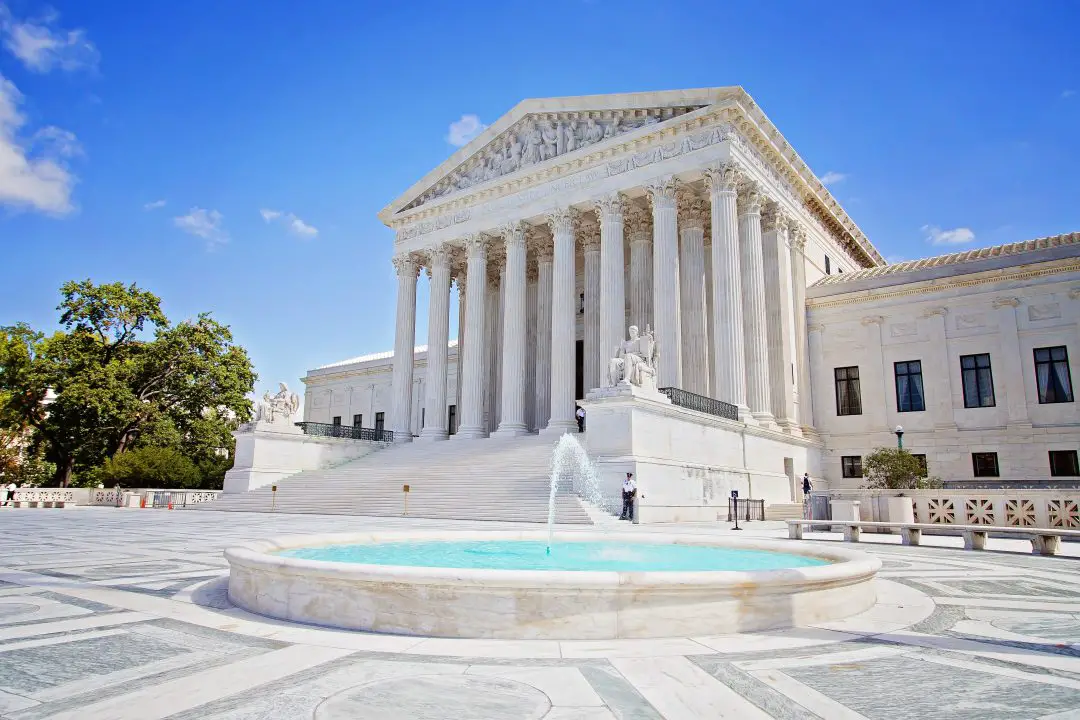
A recent Supreme Court decision on the Voting Rights Act is expected to have significant implications for the 2026 U.S. House elections, potentially benefiting Republican candidates as they prepare for the next campaign cycle.
The high court’s ruling narrowed the scope of key provisions in the landmark civil-rights law, shifting how federal oversight is applied to changes in election rules and redistricting plans. By limiting the federal government’s ability to challenge state election procedures, the decision could make it easier for states to implement changes favored by Republican lawmakers without immediate federal intervention.
Political analysts say this legal shift may allow GOP-led states to craft voting policies that align with conservative priorities, possibly influencing turnout and district competitiveness in key races. With control of the House often hinging on a handful of swing districts, even modest changes to election administration can have ripple effects across the country.
Supporters of the ruling argue that it restores greater authority to states to manage their own elections and reduces what they see as federal overreach. Opponents contend the decision weakens long-standing protections against discriminatory voting practices.
As both parties refine their campaign strategies for 2026, Republicans are assessing how the court’s interpretation of the Voting Rights Act might affect electoral dynamics in battleground states. Democratic strategists, meanwhile, are weighing alternative approaches to mobilize voters and safeguard access under the new legal framework.
The fallout from the Supreme Court’s decision is now a key topic in political planning on Capitol Hill and in state capitals, shaping how the upcoming midterm elections may unfold.