
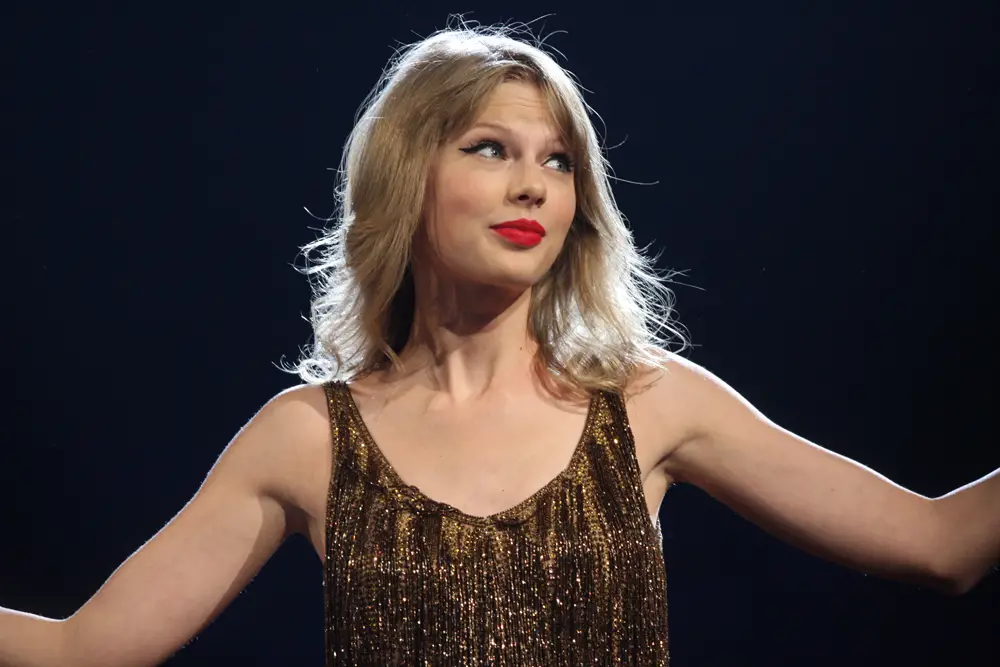
Taylor Swift, the globally acclaimed singer-songwriter, recently made headlines not only for selling one of her $40 million private jets but also for her legal stance against a college student who meticulously tracks her flights. Swift, known for her keen sense of privacy and control over her public image, has taken significant measures to safeguard her personal details, including her travel itinerary.
The student in question, who runs a dedicated online platform monitoring Swift’s jet movement, found themselves at the receiving end of legal threats from Swift’s legal team. This action by Swift’s camp underscores the tension between public interest in celebrities’ lives and the individuals’ right to privacy. Swift’s decision to divest one of her luxury aircraft comes amid heightened scrutiny of celebrities’ carbon footprints, especially given the environmental impact of private jet travel.
Swift’s legal maneuver against the student tracking her flights has sparked a debate on the ethics of such surveillance-like behavior, regardless of the fan-driven curiosity that fuels it. While fans often express their admiration and interest in celebrities’ lives through various means, Swift’s response highlights the boundaries she intends to set when it comes to privacy invasion.
The sale of Swift’s jet and her subsequent legal warnings serve as a reminder of the complex relationship between public figures and their audiences, especially in an era where digital platforms can easily blur the lines of personal space. As this story unfolds, it continues to draw attention to the broader implications of celebrity culture, privacy rights, and environmental responsibility.