
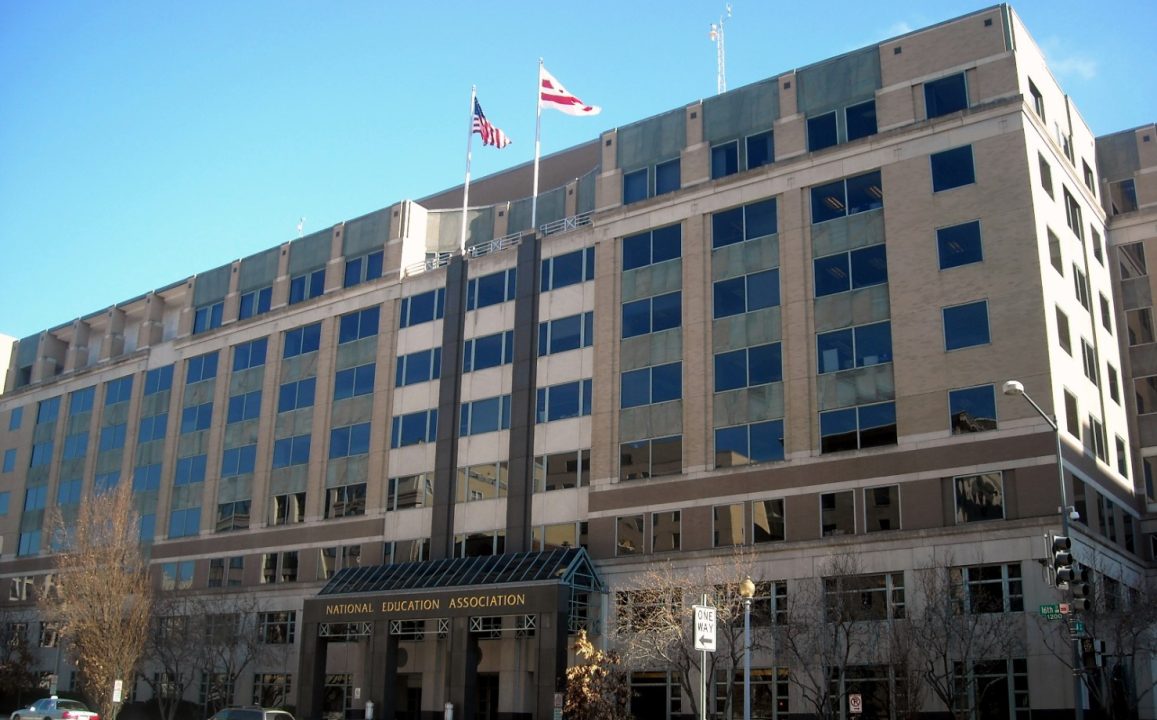
The National Education Association (NEA), the largest teachers union in the country, made waves with its unconventional summer reading recommendations for educators. Among the NEA’s suggested reads were “Gender Queer” by Maia Kobabe and “White Fragility” by Robin DiAngelo.
These choices stirred controversy due to the explicit content found in “Gender Queer.” The graphic novel includes sexually explicit illustrations depicting various acts and themes. Concerned parents across the nation expressed their outrage at the availability of such material in school libraries. The American Library Association’s annual report on banned books for 2022 ranked “Gender Queer” as the most challenged title in the country.
Curiously, the NEA included “Gender Queer” under the “banned books” section of their recommended reading list. Another notable inclusion was the memoir “All Boys Aren’t Blue,” which tells the personal story of an LGBT activist.
In addition to these selections, the NEA offered a section dedicated to books centered around Juneteenth, aiming to foster understanding and celebration of the historic event. For those seeking guidance on discussing Juneteenth and navigating conversations about race and racism, the NEA recommended “Uncomfortable Conversations With A Black Man.”
The NEA also catered to younger readers with their “Read Across America” books of the month list. Elementary schoolers were encouraged to read “Twas The Night Before Pride,” while young adults were recommended “Milo And Marcus At The End Of The World,” a novel exploring a gay romance and the challenges faced by a protagonist hiding their sexuality from deeply religious parents and community.
Governor Glenn Youngkin of Virginia, who prioritized parental rights in education during his campaign, criticized the NEA’s book choices. He voiced concerns over the influence wielded by the NEA, highlighting its past recommendation to keep schools closed for an extended period and its portrayal of concerned parents as potential terrorists during school board meetings.
Furthermore, the NEA has previously aligned itself with LGBT advocacy groups and defended the teaching of gender ideology in K-12 schools. It even suggested withholding students’ gender identities from their parents. The union accused critics of spreading harmful lies about organizations like the Gay, Lesbian and Straight Education Network (GLSEN) and dismissed their concerns as the work of right-wing extremists.
In 2021, the NEA wrote letters to various social media platforms, urging them to combat what they perceived as misinformation regarding racism in classrooms. The union condemned a small but vocal group of radicalized adults who opposed such content and drew parallels to extremists refusing to wear masks, characterizing both perspectives as threats to personal liberty.
As debates surrounding education, parental rights, and ideological influences persist, the NEA’s reading recommendations continue to face scrutiny from those who advocate for parents’ involvement in shaping their children’s education.