
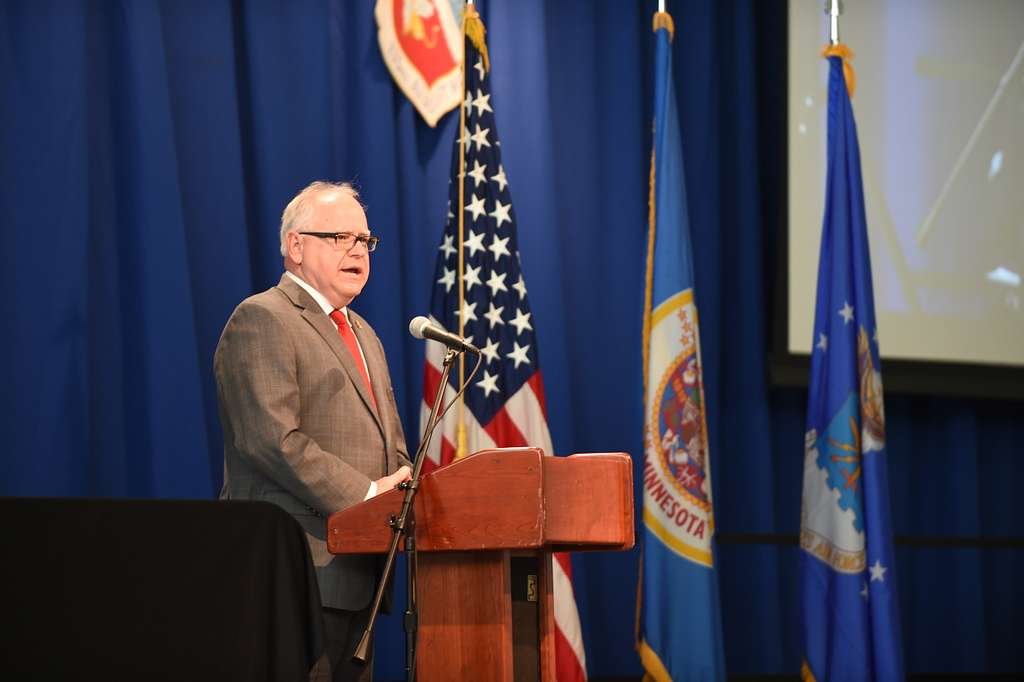
Minnesota Governor Tim Walz found himself in an awkward moment during a recent interview when asked to name the current leader of the Democratic Party. The governor hesitated before offering a response, highlighting the ongoing debate over the party’s direction and leadership.
When pressed for an answer, Walz acknowledged that the party lacks a singular figurehead, pointing instead to a collective effort among elected officials. His uncertainty has fueled discussions about the Democratic Party’s leadership structure, especially as it navigates internal divisions and prepares for upcoming elections.
Critics argue that the hesitation underscores the broader identity crisis within the party, as different factions push for varying policy priorities. Supporters, however, defend Walz’s response, noting that leadership is often distributed among several key figures, including congressional leaders, governors, and former party officials.
The exchange comes at a time when Democrats are working to solidify their messaging and strategy amid shifting political landscapes. Whether Walz’s remarks reflect a genuine lack of clear leadership or a strategic effort to emphasize party unity remains a topic of debate.