
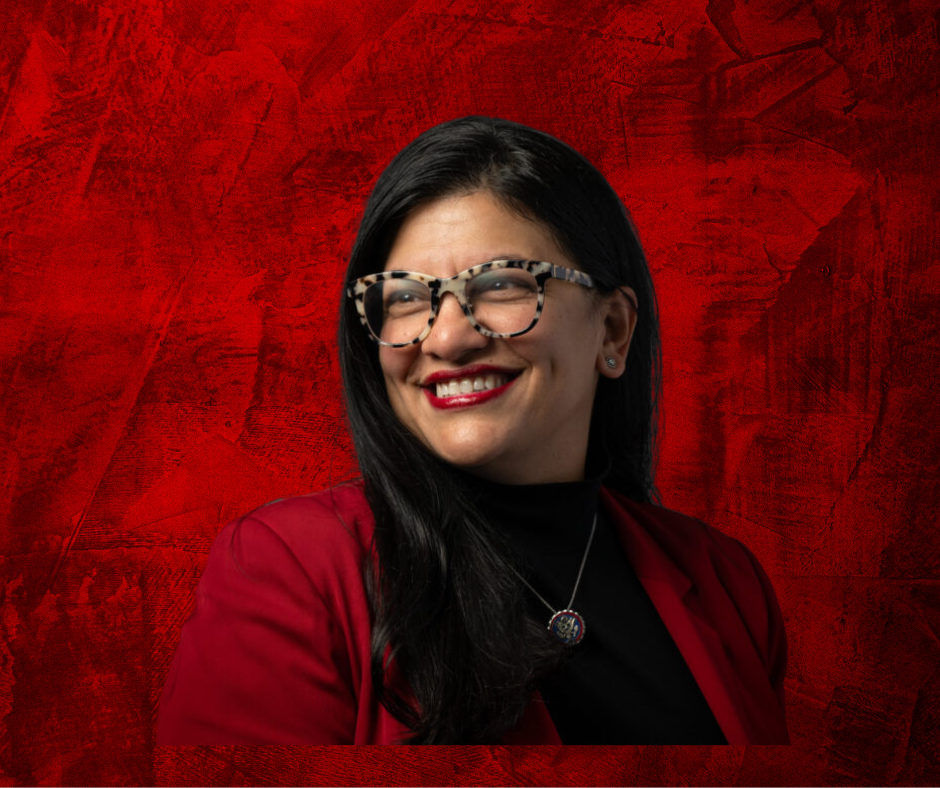
Rep. Rashida Tlaib drew widespread criticism from Republican lawmakers and commentators after she used a racially charged slur during a contentious political exchange on the House floor.
The incident occurred amid a debate over immigration policy and national identity, when Tlaib repeatedly invoked a term that opponents and fellow members of Congress described as offensive. Her choice of words immediately triggered reactions from GOP lawmakers, who seized on the moment to condemn her language and shift the tenor of the debate.
Republicans on the chamber floor responded with chants emphasizing “U.S.”, aiming to redirect attention and underscore their focus on national unity and patriotism. The exchange intensified partisan tensions and drew sharp reactions from both sides of the aisle.
Tlaib later defended her remarks as an attempt to highlight systemic inequalities and frustrations felt by marginalized communities. She argued that her comments were rooted in political critique rather than an intent to divide.
Republican leaders countered that using racially charged language in legislative debate is inappropriate and undermines constructive dialogue on policy issues. They emphasized that civility and respect are essential in addressing complex national challenges.
The incident quickly became a flashpoint in broader discussions about race, rhetoric, and political discourse in Congress, reflecting deep partisan divides and the challenges of maintaining civility in high-stakes legislative debates.
As reactions continue across political media and public commentary, both supporters and critics of Tlaib’s language are framing the exchange within larger narratives about freedom of speech, representation, and the boundaries of acceptable discourse in government forums.