
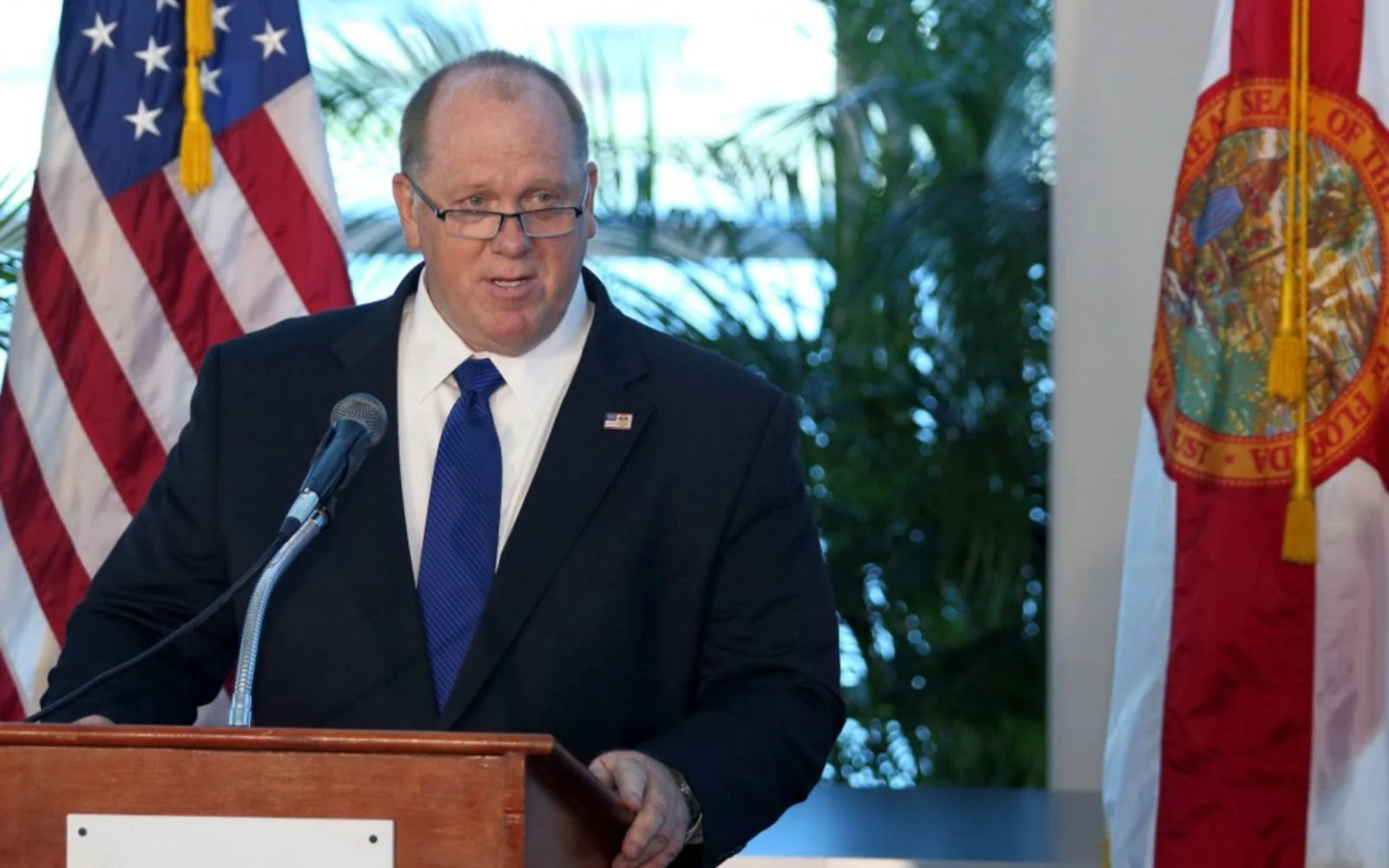
In a recent interview, Tom Homan, the newly appointed “border czar” under the Trump administration, outlined his vision for an ambitious mass deportation initiative aimed at the estimated 11 million undocumented immigrants living in the United States. Speaking on ABC’s “This Week,” Homan acknowledged the challenges ahead, stating that while the administration is committed to aggressive enforcement, the success of these efforts largely depends on congressional funding. He emphasized that without adequate financial resources, Immigration and Customs Enforcement (ICE) would struggle to detain and deport all individuals targeted under this plan. Homan’s realistic approach highlights the complexities of implementing such a sweeping policy, especially given the financial constraints currently facing ICE
.Homan’s comments also focused on public safety, asserting that the primary goal of the deportation initiative is to remove individuals who pose a threat to communities. He specifically mentioned targeting gang members and those with criminal records as part of this effort. Homan believes that reducing crime rates among undocumented immigrants will serve as a key indicator of success for the administration’s policies. In a notable development, he revealed that for the first time, military aircraft would be utilized to transport migrants back to their home countries, marking a significant shift in how deportations are conducted. This new strategy aims to streamline the process and increase efficiency in handling deportation cases.
The broader implications of Homan’s plan have stirred considerable debate among lawmakers and advocacy groups. While many Americans support stricter immigration enforcement, concerns remain about the potential human cost of mass deportations. Critics argue that such policies could disrupt families and communities, leading to significant social and economic repercussions. As Homan moves forward with his agenda, it will be essential for Congress to engage in discussions about funding and oversight to ensure that immigration enforcement is balanced with compassion and respect for human rights. The upcoming months will likely see intense scrutiny of Homan’s actions as he attempts to navigate the complexities of immigration policy in a politically charged environment.