
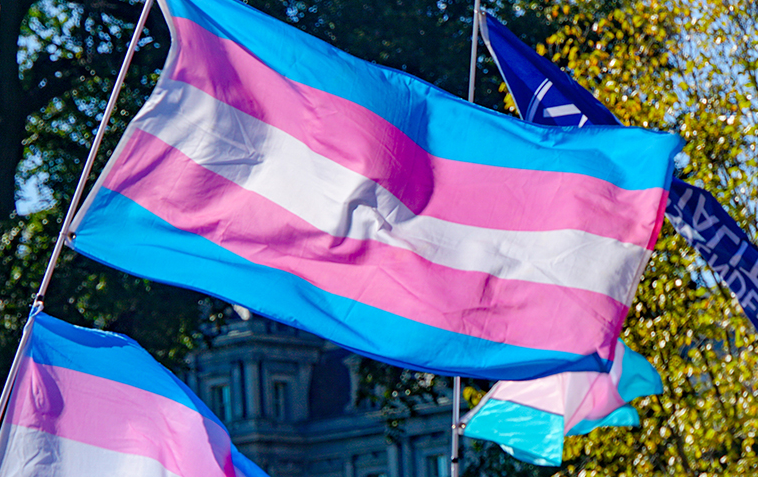
Several prominent mental health organizations in the United States have recently taken a stance in favor of transgender ideology, advocating for the affirmation of transgender identities in educational settings.
The American School Counselor Association (ASCA), with a reported membership of 43,000 counselors and certified trainers nationwide, is actively encouraging school counselors to support students who identify as transgender. The ASCA’s guidelines suggest that schools should use the chosen names of transgender students on records and that staff should also use these affirmed names. Additionally, the ASCA advocates for inclusive policies in schools, such as granting students access to bathrooms and locker rooms that align with their gender identity.
In a document titled “School Counselors and LGBTQ+ Youth,” the ASCA urges counselors to foster an inclusive curriculum across all grade levels and to work towards reducing the use of offensive language. The organization is also promoting the establishment of safe spaces for LGBTQ+ students, like Genders and Sexualities Alliance Clubs, and emphasizes understanding the intersectionality of sexual, gender, and racial identities.
Parent Advocate January Littlejohn from Do No Harm criticized this approach, suggesting that it might not always be in the best interest of the child or the parent/child relationship. She expressed concern that school counselors might be focusing exclusively on affirming transgender identities, potentially overlooking other mental health issues and doing so without parental knowledge.
The National Board for Certified Counselors (NBCC), another significant body in the counseling field, also embraces transgender ideology. The NBCC, which claims to have certified 69,000 counselors in 40 countries, tests counselors on their knowledge and sensitivity towards gender orientation and issues. The organization has shown support for gender-affirming care, including medical interventions, and stresses the importance of equitable access to such care as essential for a productive society.
In contrast to the American approach, several European countries, including the United Kingdom, Sweden, and Norway, have recently moved to limit medical interventions like puberty blockers and hormone therapies for minors. European health systems, recognizing the high incidence of mental health challenges among trans-identifying youth, often recommend psychotherapy as the initial approach, reserving rapid social and medical affirmation as secondary options.
This difference in approach highlights a significant divergence in handling gender dysphoria between the United States and Europe. The American focus tends to be on immediate affirmation and support for transgender identities, while European health systems emphasize a more cautious and therapy-first approach.
The ASCA and NBCC did not provide comments on these developments.