
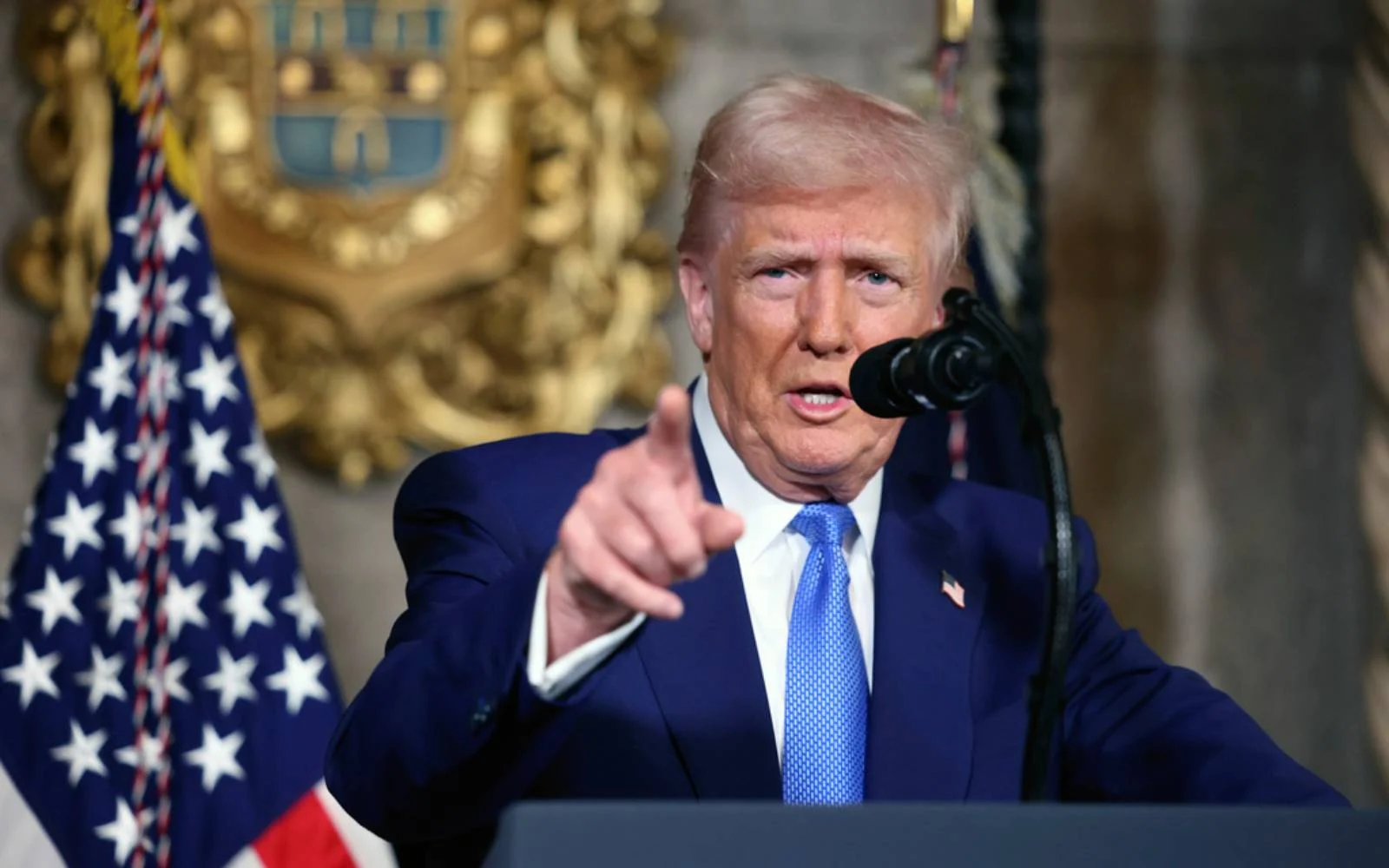
President Donald Trump has launched a sweeping tariff initiative designed to pressure foreign trading partners and reinvigorate American manufacturing. A blanket 10% tariff on nearly all imports has been enacted under a national emergency order, effective immediately, marking what he calls “Liberation Day” for the U.S. economy.
In addition to the across-the-board duties, the administration has imposed targeted tariffs ranging from 11% to 50% on goods from countries with significant trade surpluses against the United States. Nations affected include China, Japan, South Korea, Brazil, Canada, Mexico, and key members of the European Union.
The tariff expansion also includes industry-specific increases. Steel and aluminum imports now face 50% tariffs, up from the 25% initially introduced in March. Other sectors hit include automotive, appliances, semiconductors, pharmaceuticals, copper, and energy-related imports.
Canada and Mexico are facing direct economic pushback after 25% tariffs were applied to most of their exports, excluding Canadian energy which was capped at 10%. Both countries have retaliated, escalating tensions and disrupting cross-border supply chains.
Economic forecasts indicate a mixed impact. Canada is expected to experience a significant GDP contraction, while the U.S. could face a more modest downturn. Analysts predict an average increase of up to $2,500 in annual costs for American households, with essential goods like clothing seeing price spikes as high as 39%.
Despite the initial market stability, economists caution that prolonged tariff measures could trigger inflation, erode consumer purchasing power, and slow global economic momentum. Still, the administration maintains the strategy is necessary to reduce trade imbalances and revive domestic industry competitiveness.