
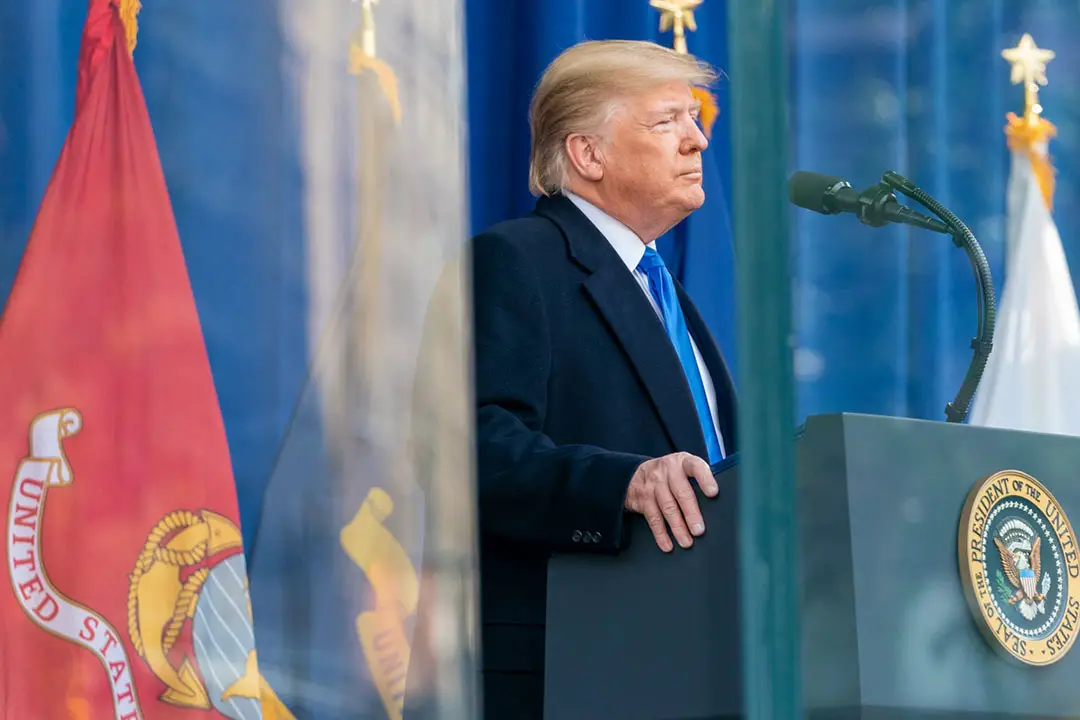
The Trump administration requested edits to a classified Pentagon war-game report that examined how U.S. forces might perform in a potential conflict with China, according to officials familiar with the document.
The report, generated by senior military planners and analysts, identified gaps in U.S. military readiness and highlighted vulnerabilities in force posture, logistics, and sustainment in a high-end peer conflict scenario. As part of the internal review process, the administration pushed for redactions of specific findings before broader circulation within the national security establishment.
Those adjustments were aimed at limiting the release of analysis that could be sensitive if seen as undermining deterrence or exposing operational weaknesses. Supporters of the edits argued that some raw assessments — if widely shared — might be misinterpreted or misused by foreign competitors seeking advantage.
Critics within defense circles contended that extensive redactions could diminish the value of honest war-gaming insights and complicate efforts to address identified shortfalls. The tension highlights an ongoing debate over transparency versus operational security in high-stakes strategic planning.
The controversy underscores the broader challenge of balancing candid internal evaluation of military readiness with the need to safeguard sensitive assessments about future conflict scenarios involving major powers such as China.