
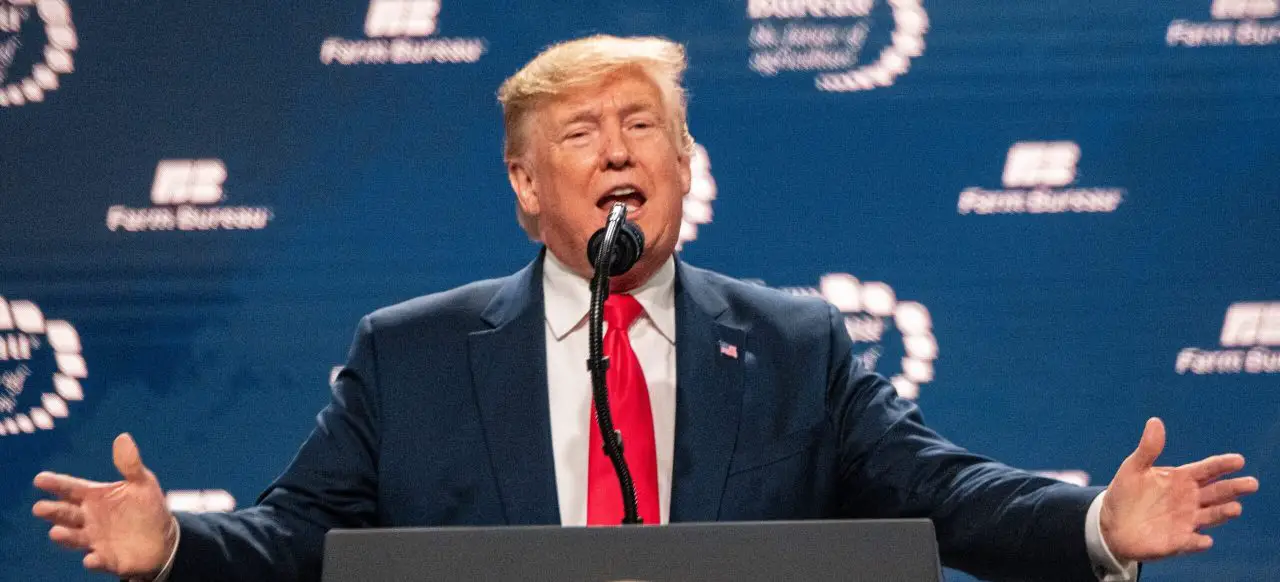
Former President Donald Trump has accused Democrats of offering substantial financial incentives to celebrities in exchange for endorsements of Vice President Kamala Harris. Trump’s claims have reignited debates over the role of celebrity influence in political campaigns as the 2024 election season intensifies.
Speaking at a rally, Trump alleged that high-profile figures in Hollywood and the entertainment industry were being paid “millions of dollars” to publicly back Harris and bolster her political standing. “They’re trying to buy credibility with star power, but the American people see right through it,” Trump declared to his supporters.
While no evidence has been provided to substantiate these allegations, the remarks have fueled partisan discourse over campaign strategies and the use of endorsements to sway public opinion. Celebrity support has long been a fixture of Democratic campaigns, with high-profile figures frequently rallying behind progressive causes and candidates.
Harris’s campaign has not responded directly to Trump’s accusations, but her team has emphasized its focus on grassroots support and policy-driven messaging. “Our priority is connecting with voters and addressing their concerns, not engaging in baseless distractions,” a campaign spokesperson stated.
Political analysts note that celebrity endorsements can be both a blessing and a risk, as they attract attention but may alienate voters who view such tactics as out of touch with everyday Americans. “While celebrity support can energize certain demographics, it doesn’t always translate to votes at the ballot box,” one expert commented.
Trump’s criticism is part of his broader strategy to portray Democrats as disconnected from average voters, a message that has resonated with his base in past campaigns. As the 2024 race unfolds, both parties are likely to lean heavily on their respective strengths, with Republicans focusing on populist messaging and Democrats leveraging cultural influencers to reach key demographics.
The exchange underscores the increasingly polarizing nature of modern political campaigns, where every tactic becomes a flashpoint in the battle for public perception and voter loyalty.