
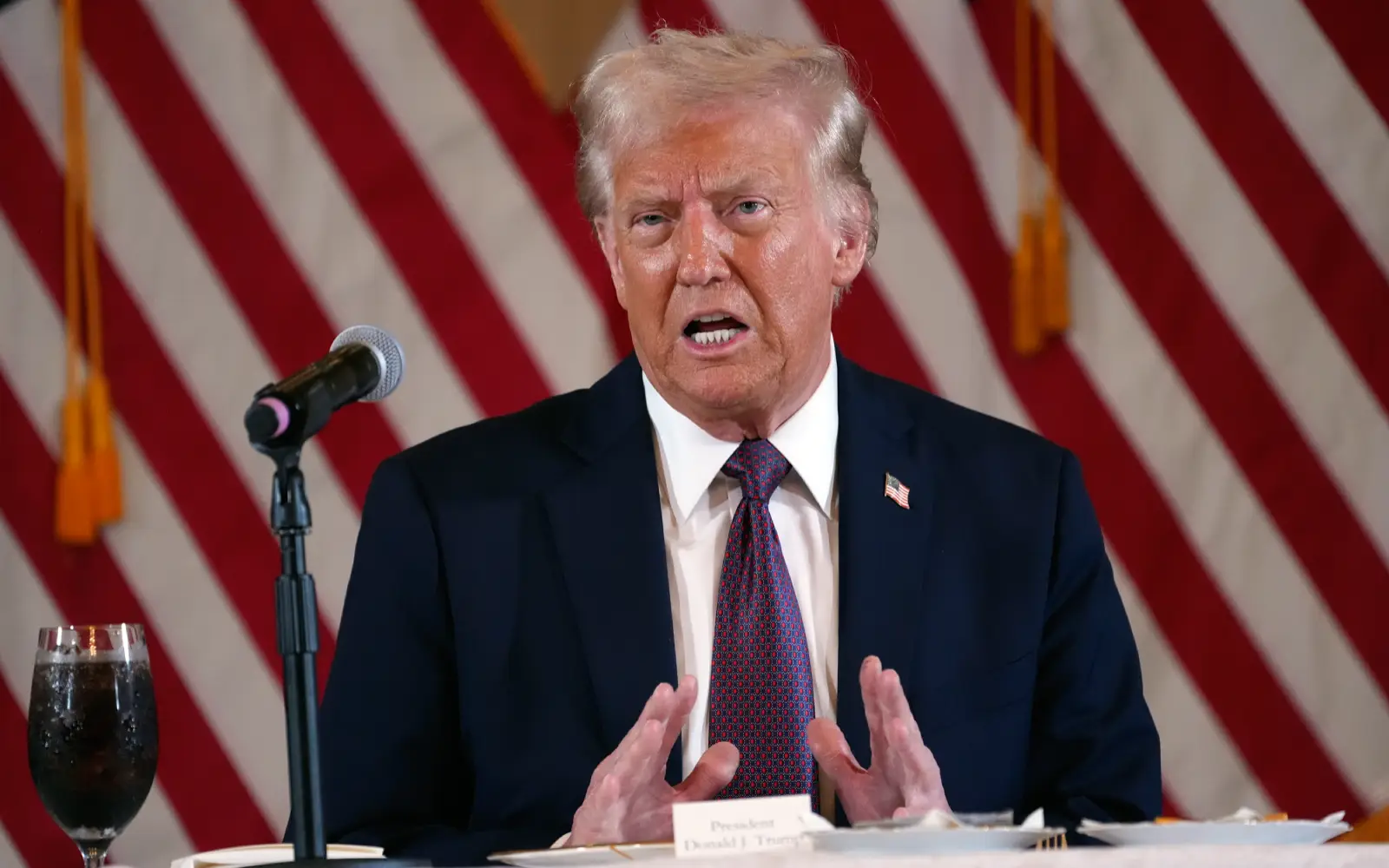
President Donald Trump asserted that his administration has restored affordability in America, citing lower gas and grocery prices and wage gains for workers. He reinforced his message with a social-media post stating “STOP LYIN’” in response to claims of a cost-of-living crisis.
Yet recent retail data tells a complex story: major chains report average price hikes—5.5 percent at one large retailer and over 12 percent at a leading online store this year alone. Under Trump’s tariff policies, imports from key trade partners such as China and Vietnam now face higher costs, affecting items like furniture, electronics, and apparel.
Food inflation has settled at about 3.1 percent annually, down from previous peaks, but select categories remain sharply higher—steak costs have jumped over 19 percent, ground beef by 14 percent, and coffee by 41 percent. Furniture imports rose 9.5 percent over one year, while mainstream chains logged double-digit increases across home goods.
Despite the administration’s claims of progress, consumer sentiment reveals a different reality. One New York shopper noted savings were elusive: “Everything is expensive… I used to buy beef every week. Now I buy it every two weeks.”
As the economy ranks as a top voter concern ahead of the 2026 midterms, the gap between official messaging and consumer experience could present a notable challenge for the president and his party.