
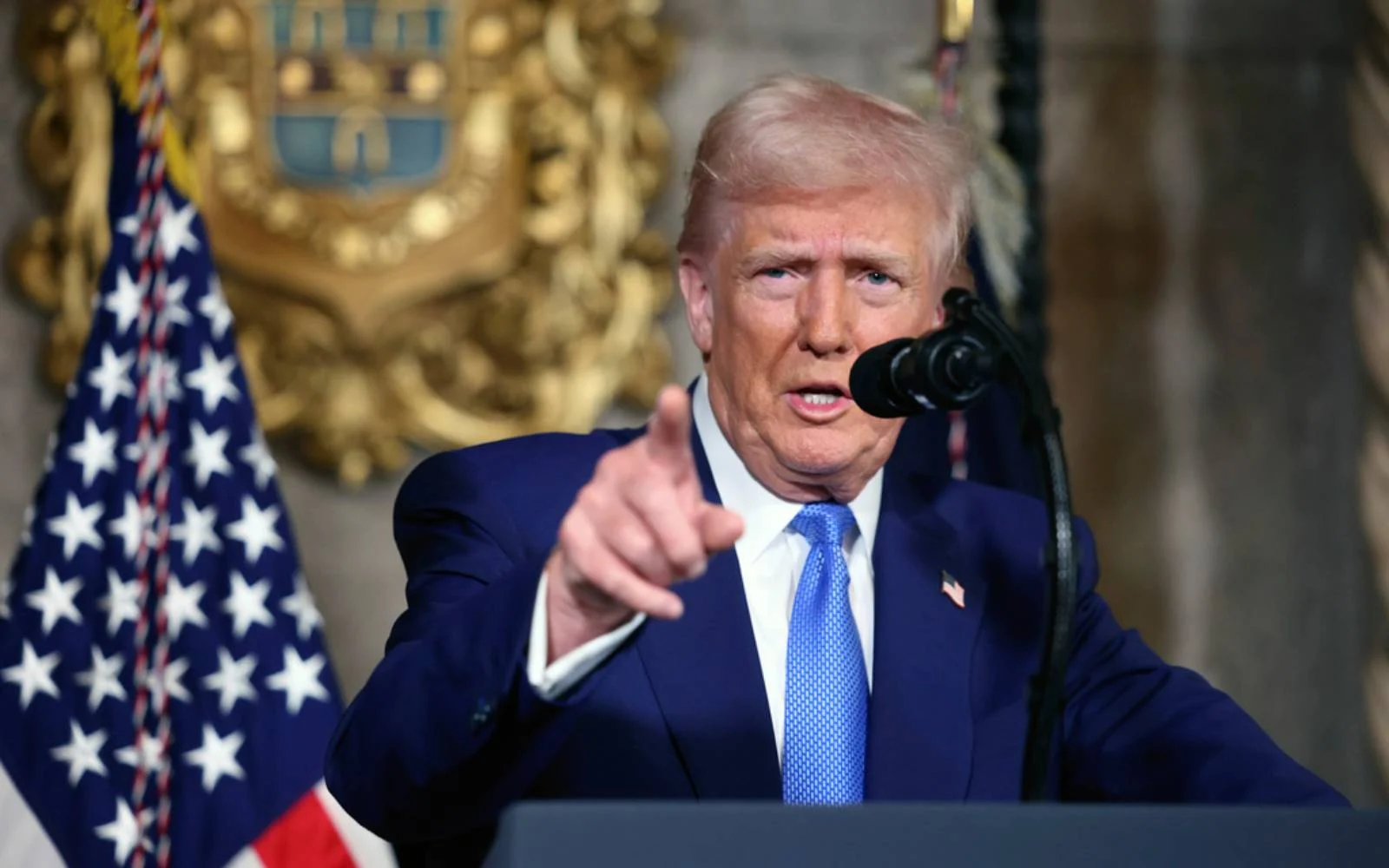
President Donald Trump described efforts to remove Venezuelan President Nicolás Maduro as a strategically wise decision, while cautioning that Russia and China could expand their influence in the region if Maduro’s government collapses.
In public remarks, Trump framed the push against Maduro’s regime as aligned with broader U.S. interests in promoting stability and countering authoritarian influence in the Western Hemisphere. He underscored that supporting democratic transition in Venezuela could strengthen security and economic ties for neighboring countries and the United States.
At the same time, Trump acknowledged the geopolitical risks tied to a power shift in Caracas. He emphasized that Moscow and Beijing have established military and economic connections with Venezuela, and their roles could grow if the current government falls or weakens significantly.
Trump’s comments reflect ongoing concern within the administration about great-power competition and the need to prevent adversaries from filling leadership vacuums in strategically important regions.
The president did not outline specific new actions but reinforced that U.S. policy continues to apply pressure on Maduro’s government through diplomatic, economic, and potentially security measures. His statements come amid broader international debate over how best to support change in Venezuela while managing the risks of external influence.
Trump’s positioning highlights the intersection of democracy promotion and geopolitical strategy, with Venezuela serving as a focal point for tensions involving the United States, Russia, and China.