
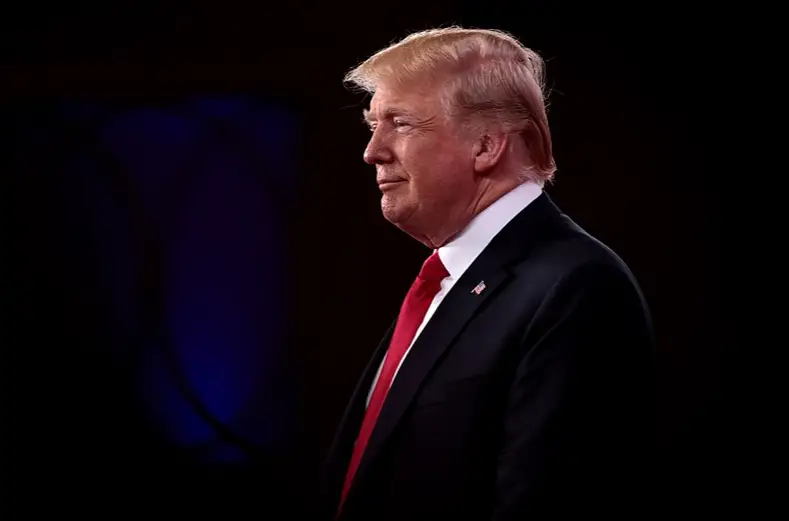
Former President Donald Trump, following the closing arguments in a pivotal non-jury civil trial in New York, held a press conference at his Manhattan property, where he vehemently denied any wrongdoing. He claimed that his legal challenges, including the trial led by New York Attorney General Letitia James, are part of a politically motivated attack orchestrated by President Biden and the Democratic Party.
In the trial, James accused Trump, his family, and his business empire of inflating financial statements and misleading banks. Trump has consistently defended himself, asserting that his financial statements contained disclaimers for banks to interpret the figures. He also claimed that the assets in question were undervalued.
Trump’s legal battles are not confined to this case alone. He also appeared earlier in the week at a federal Appeals Court in Washington, D.C., concerning presidential immunity in Special Counsel Jack Smith’s January 6th case. These court appearances coincided with the approach of the Iowa Caucuses, a crucial event in the presidential primary contests.
During the press conference, Trump criticized the legal proceedings as election interference and a new form of cheating by the Democrats. He drew parallels between his case and the ongoing special counsel investigation into Biden’s alleged retention of classified records, challenging the notion of a double standard in the justice system.
Trump also highlighted his confidence in his poll numbers, showing him leading against Biden in a hypothetical match-up. Despite the impact on his campaign schedule, he affirmed his commitment to attending all of his trials.
Looking ahead, Trump faces a series of trials, including the trial stemming from Manhattan District Attorney Alvin Bragg’s investigation into hush-money payments made during the 2016 presidential campaign and another concerning classified documents set to begin in May. These trials are set against the backdrop of a busy primary election calendar, underscoring the unique challenges Trump faces as he navigates both the legal and political arenas.
In his defense, Trump highlighted the repayment of the bank loans in question and characterized the legal actions as an attack on him. He concluded by asserting his innocence, maintaining that the cases against him lack factual evidence and are driven by political motivations.