
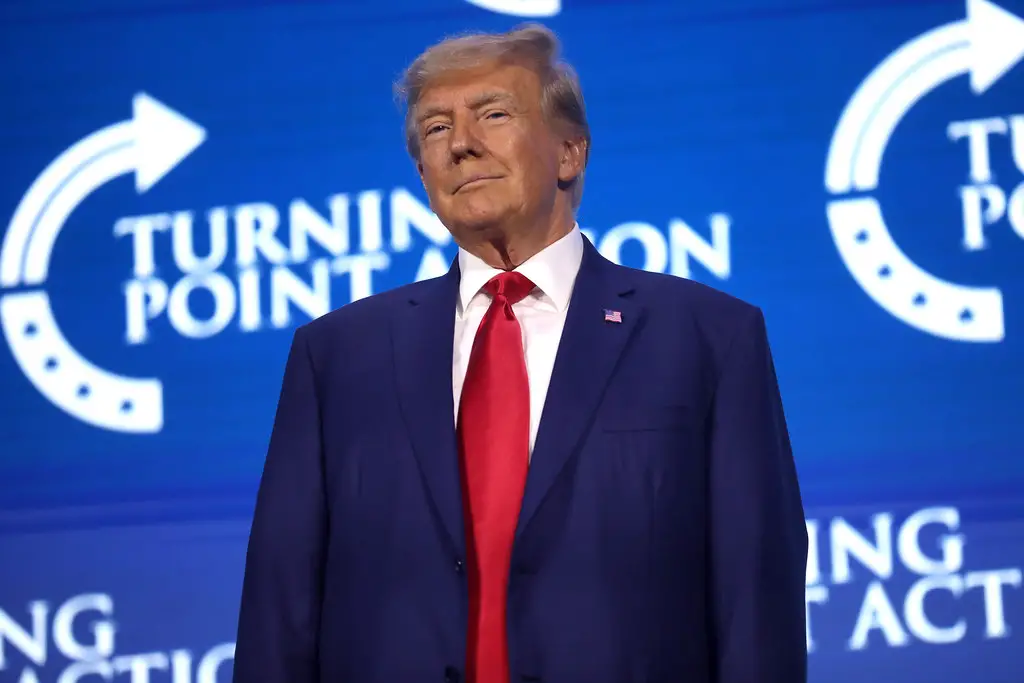
Former President Donald Trump recently called for CBS to lose its broadcasting license following a controversial segment aired by 60 Minutes. Trump criticized the network, accusing it of unfair reporting and suggesting the segment was part of a broader media bias against him. He argued that CBS’s handling of the coverage was not only unbalanced but also damaging to public trust in the media.
The 60 Minutes segment in question has drawn significant attention, with Trump and his supporters claiming it presented a one-sided view on issues pertinent to his ongoing campaign. Trump’s call for action against CBS is unprecedented, with media experts noting that such a request raises complex legal and regulatory questions. The Federal Communications Commission (FCC), which oversees broadcasting licenses, has strict guidelines around license revocation, typically focused on legal violations rather than content disputes.
Trump’s comments have sparked a renewed debate over media accountability, freedom of the press, and the role of broadcast networks in covering political figures. While CBS has not publicly responded to Trump’s remarks, the controversy has amplified ongoing discussions around media fairness and transparency in political coverage as the 2024 election season approaches.