
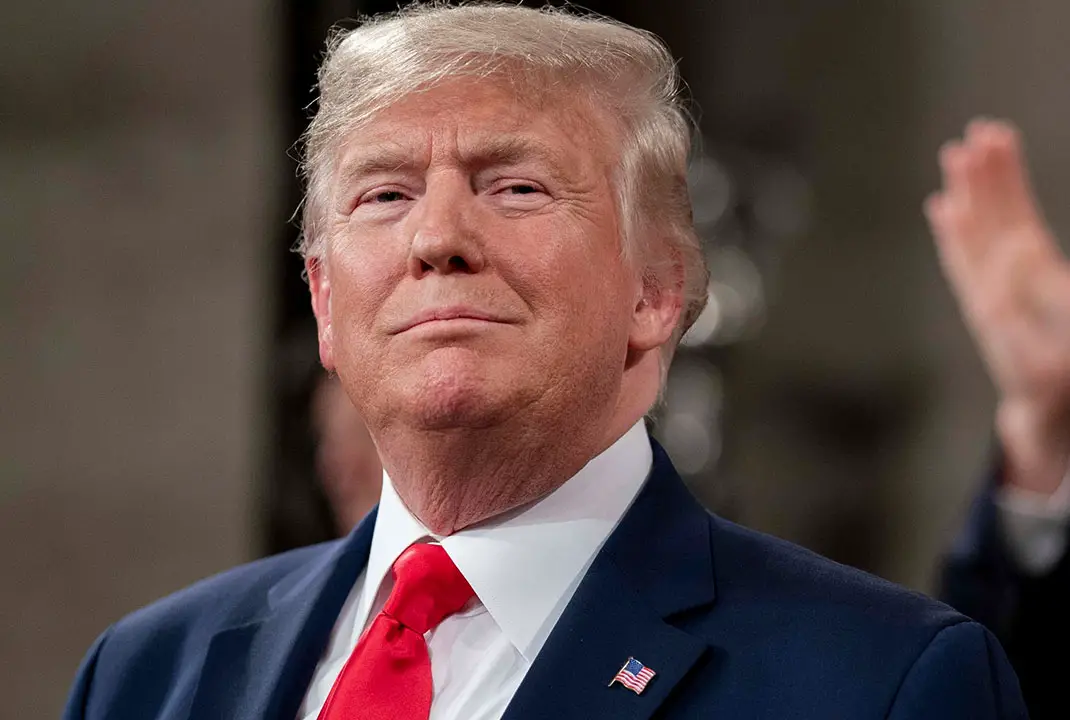
Economists and strategists report that the U.S. economy under President Donald Trump continues to show solid performance in key areas, even as officials work to improve how these achievements are communicated to the public.
Recent data indicate ongoing job growth, steady consumer spending, and resilient market activity, suggesting the economy has maintained momentum through the end of the year. These indicators are considered positive signs for broader economic health as the administration enters 2026.
Despite these trends, critics and experts alike say that public perception of economic conditions does not always align with the underlying statistics. Analysts note that inflation concerns, personal cost-of-living issues, and mixed messaging have contributed to a gap between what metrics reveal and what many Americans feel in their daily lives.
Supporters of the president’s economic policies argue that gains in employment and productivity should bolster confidence, while some communication advisers acknowledge the need for clearer messaging to help the public better understand economic progress.
The discussion highlights the complex intersection of economic performance and public opinion, with officials working to emphasize strengths while addressing areas where many people still feel financial strain.
As 2026 begins, economic debates are expected to continue, focusing on how to sustain growth, improve household finances, and effectively convey accomplishments to a broad audience.