
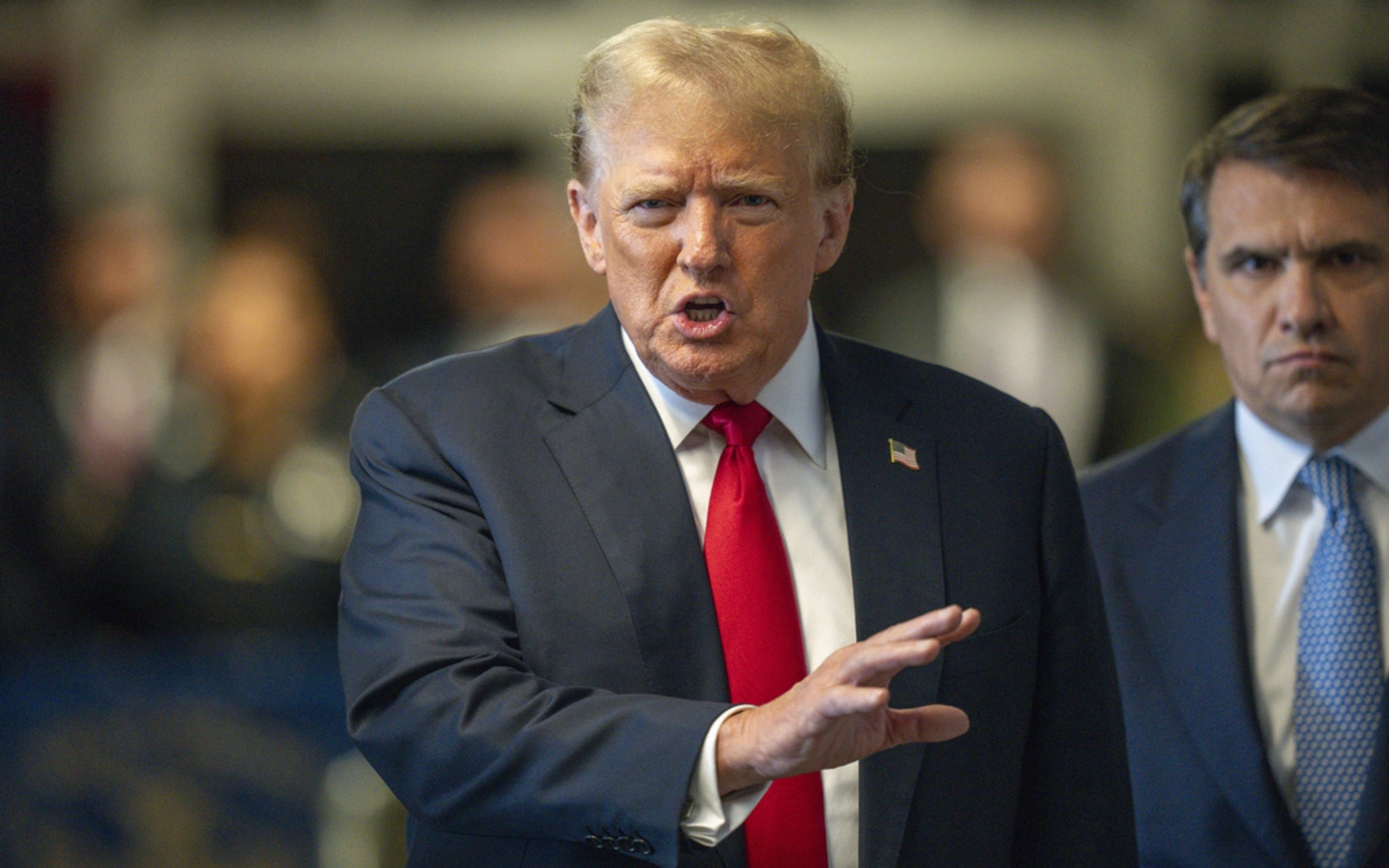
The U.S. — under President Trump — has laid out a sweeping 28-point peace proposal aimed at ending the war in Ukraine. The plan calls for recognizing Russian control over key contested regions, freezing current front lines as permanent borders, and limiting Ukraine’s military capability. At the same time it envisions a massive postwar reconstruction and economic partnership, including unlocking frozen Russian assets for rebuilding efforts and joint U.S.–Russia investment projects once the deal goes through.
Under the proposal Ukraine would also forgo joining NATO and accept strict security and military limits — moves that critics say amount to concessions for Moscow. The document would grant amnesty for wartime participants, formalize Russia’s hold over certain territories, and overhaul the current global status quo.
Proponents argue the plan could bring a long-awaited end to the conflict and shift priorities toward rebuilding and diplomacy. Opponents warn it risks undermining Ukrainian sovereignty, rewarding aggression, and souring trust with European allies still backing Kyiv’s resistance.
The proposal has triggered heated debate within governments and among international partners — with final decisions still pending as diplomacy chugs ahead.