
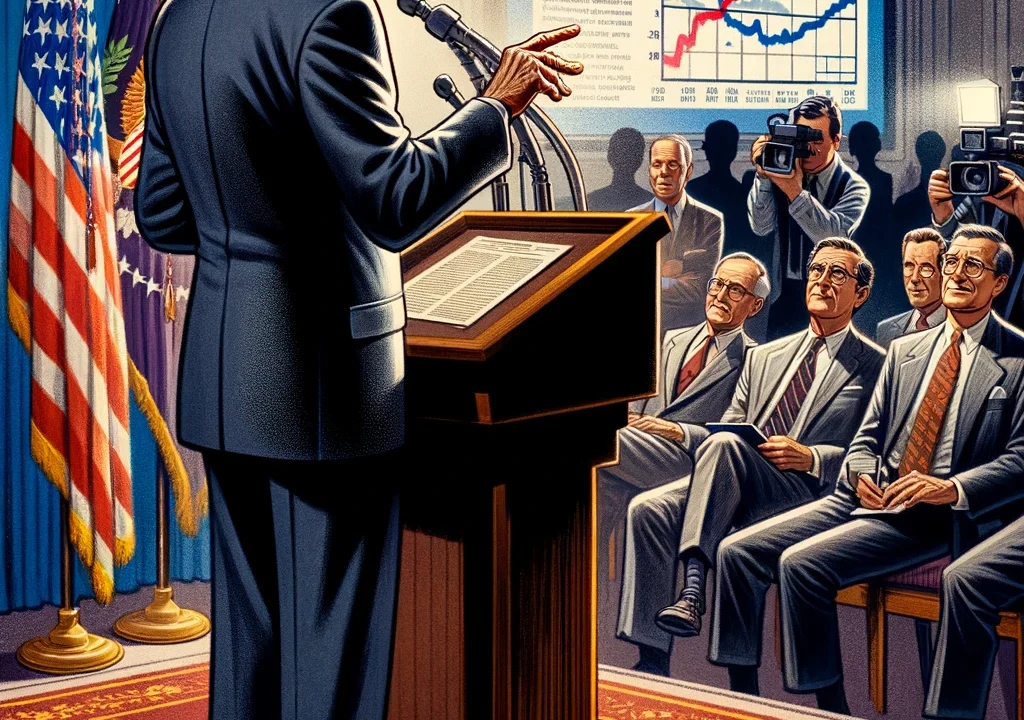
Former President Donald Trump expressed his gratitude towards the Supreme Court for its unanimous decision to reinstate him on the presidential ballots for the upcoming election, a ruling he described as “well crafted” and pivotal for national unity. Speaking from his Mar-a-Lago estate in Florida, Trump highlighted the significance of the court’s decision, suggesting it would be remembered for centuries as a landmark ruling that could help bridge the country’s current divides.
The Supreme Court’s decision came just before Super Tuesday, thwarting efforts by some states to disqualify Trump from the ballot under a post-Civil War constitutional provision related to insurrection. Trump viewed the ruling as a victory not only for himself but for the principle that electoral disputes should be resolved by voters rather than the judiciary.
In his remarks, Trump also touched upon the subject of presidential immunity, urging the Supreme Court to grant him immunity in future cases. He argued that without such protection, presidents would be vulnerable to prosecution for decisions made in the interest of national security, including military actions against terrorist leaders. Trump cited his administration’s successful operations against ISIS leader Abu Bakr al-Baghdadi and Iranian General Qassem Soleimani as examples of decisions that could potentially expose a president to legal jeopardy.
Trump’s call for immunity reflects his broader concerns about the legal challenges he faces, which he believes are politically motivated attempts to undermine his candidacy. He emphasized the importance of presidential decision-making free from the fear of subsequent prosecution, arguing that such fears could hinder the executive’s ability to act decisively in critical situations.
The Supreme Court’s ruling effectively ends attempts by Colorado, Maine, and Illinois to use the 14th Amendment’s insurrection clause to bar Trump from the ballot. The court clarified that only Congress has the authority to determine a candidate’s eligibility based on this criterion, not individual states.
This decision marks a significant moment in Trump’s post-presidency, as he continues to navigate legal challenges while eyeing a return to the political arena. It also sets a precedent for how the judiciary interprets the Constitution in relation to electoral politics, potentially influencing future disputes over candidate eligibility and the balance of power between state and federal authorities.