
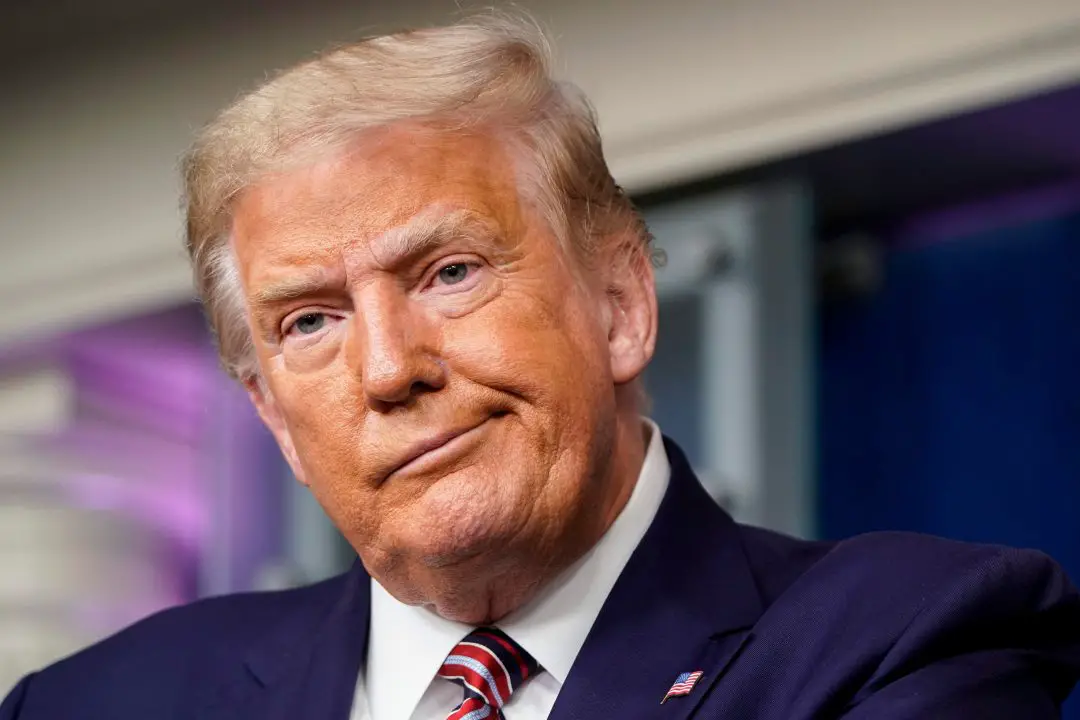
President Donald Trump announced that his administration is preparing to designate the Muslim Brotherhood as a terrorist organization, following a recent wave of warnings about the group’s influence inside the U.S. He stated that “final documents are being drawn” and that the measure “will be done in the strongest and most powerful terms.”
The move aligns with actions taken by Greg Abbott in Texas, who recently declared the Muslim Brotherhood a terrorist organization at the state level. Trump’s statement comes amid a 200-page report by the Institute for the Study of Global Antisemitism and Policy (ISGAP) alleging the Islamist movement has infiltrated U.S. government agencies, educational institutions and used social-media networks to influence Western society.
According to the White House, the designation would authorize U.S. authorities to target the group’s funding, intelligence-gathering efforts and individuals providing material support. The process is expected to include identifying specific chapters or affiliated organizations for designation, rather than a blanket label of the entire movement.
Critics of the move caution that the Muslim Brotherhood is a long-standing political and social network with varying global chapters—some with no proven terrorist activities. They warn the designation could provoke diplomatic backlash, weaken U.S. alliances and complicate relations in the Middle East.
Supporters argue that the group’s ideological ties to militant networks and its strategic ambitions in Western nations justify immediate action. As the administration prepares final paperwork, national security officials and lawmakers will weigh both the legal basis and broader foreign-policy consequences of such a designation.