
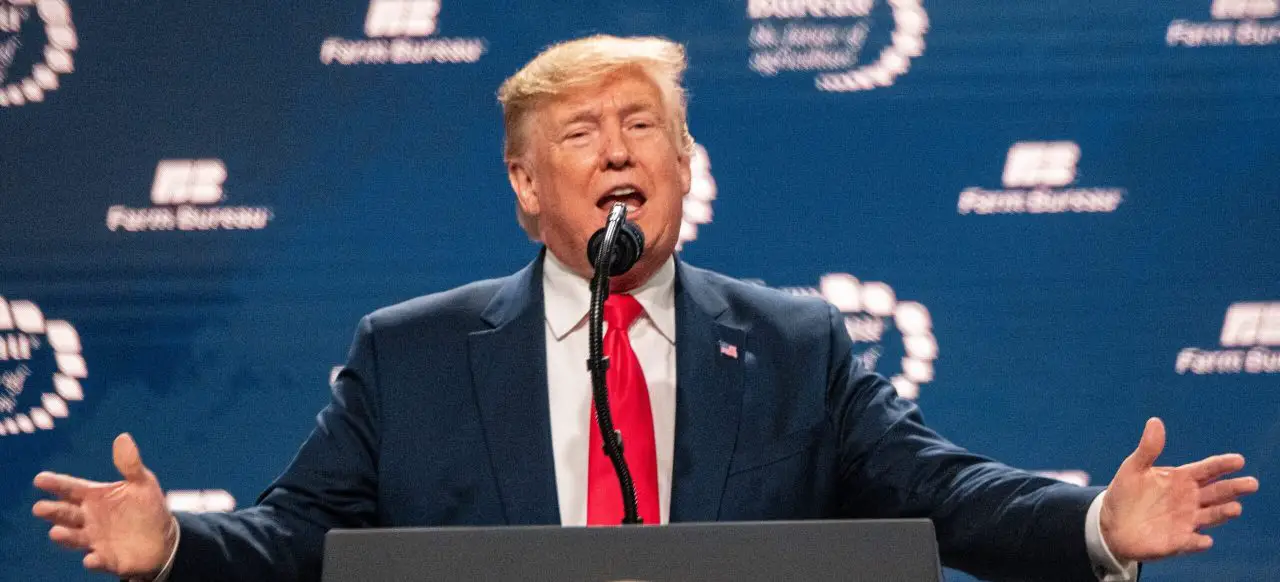
President Donald Trump issued a sweeping executive directive requiring banks to identify and report accounts linked to undocumented immigrants, a move that has sparked alarm among financial institutions and markets.
The measure instructs federal regulators to enforce stricter scrutiny of customer records and compel lenders to flag accounts held by individuals without lawful immigration status. Administration officials said the policy is aimed at closing loopholes that allow illegal migration to be supported financially within the U.S. banking system.
Banking executives and Wall Street analysts responded with concern, saying the order could disrupt normal operations, trigger compliance challenges and potentially unsettle investors. Some firms reported a sharp drop in stock values and increased volatility in financial markets as traders processed the implications of the government directive.
Critics argue the policy could undermine customer confidence, impose heavy regulatory burdens on banks, and lead to unintended consequences in credit access for entire communities. Supporters in the administration defended the move as necessary to reinforce immigration laws and prevent exploitation of financial systems.
Federal agencies are now working to develop guidelines and enforcement mechanisms to implement the president’s directive, with regulators expected to issue detailed standards in the coming weeks. Banks will be required to adjust internal systems to meet reporting demands and ensure alignment with the new federal requirements.
The financial sector’s reaction reflects broader uncertainty about the impact of the policy on the economy, with market watchers closely monitoring how institutions adapt and how customers respond to heightened enforcement measures.
As the implementation process unfolds, industry leaders and policymakers are bracing for a period of adjustment and debate over the balance between immigration enforcement and economic stability.