
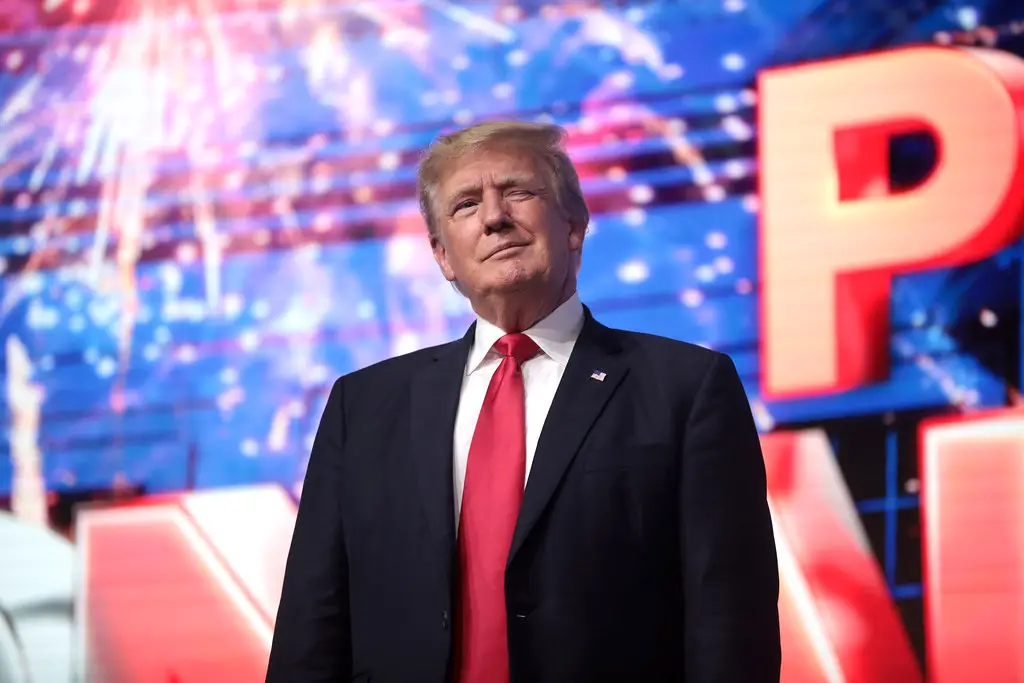
President Donald Trump announced a plan to impose a 15% tariff on all imported goods worldwide as part of a revamped trade policy following a setback in the Supreme Court that limited his ability to use emergency tariff powers.
Trump told reporters that the uniform tariff is intended to protect U.S. manufacturers and reduce trade imbalances with foreign competitors. He said this broader approach would avoid reliance on the authority that the court found insufficient in its recent ruling.
Under the proposed plan, imports from every trading partner would face the same tariff rate, replacing previous targeted tariff actions that the administration had pursued. Trump described the 15% rate as a simple and equitable baseline designed to level the playing field for American workers and businesses.
Administration officials are now drafting the policy and exploring how to enact it through existing trade laws or with cooperation from Congress. The proposal comes as lawmakers and industry groups debate the broader implications of rising tariffs on inflation, supply chains, and international relations.
Supporters of Trump’s proposal argue that consistent tariffs will encourage companies to bring production back to the United States, while critics warn that widespread import duties could raise consumer prices and trigger retaliatory measures from other countries.
The announcement marks a significant shift in U.S. trade policy, reflecting the administration’s effort to maintain strong trade defenses while adapting to legal limits on executive tariff authority.