
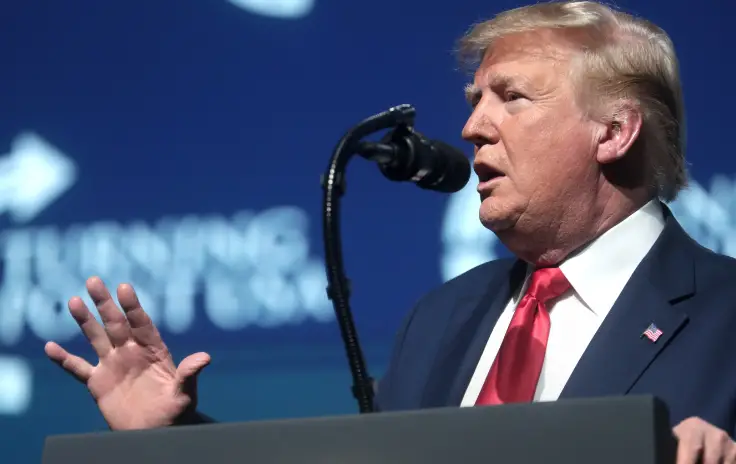
President Donald Trump has reinstated a ban on transgender individuals serving in the U.S. military, signaling a reversal of policies implemented under the previous administration. The decision is part of a broader initiative aimed at eliminating Diversity, Equity, and Inclusion (DEI) programs within the armed forces, which the administration argues detract from military readiness and effectiveness.
According to officials, the reinstated policy will apply to individuals who have undergone gender transition or who require ongoing medical treatment related to gender identity. The administration contends that the focus of the military should remain on combat readiness and operational efficiency without what they view as social policy distractions.
Supporters of the move argue that the policy shift will restore traditional military standards and reduce costs associated with medical care and accommodations for transgender service members. They believe the military should prioritize physical and mental fitness without additional considerations that could impact overall performance.
Critics, however, have voiced strong opposition, arguing that the decision undermines the rights of individuals who are willing and able to serve their country. Advocacy groups and some lawmakers have condemned the ban, stating that it disregards the contributions of transgender service members and could harm recruitment efforts.
Military leadership has acknowledged the policy change and emphasized their commitment to implementing it in accordance with the administration’s directives. Meanwhile, legal experts anticipate potential challenges to the reinstated ban, with advocacy organizations preparing to contest the decision in court.
As the policy takes effect, it is expected to reignite national debate over the role of diversity and inclusion within the military and the broader implications for service members affected by the change.