
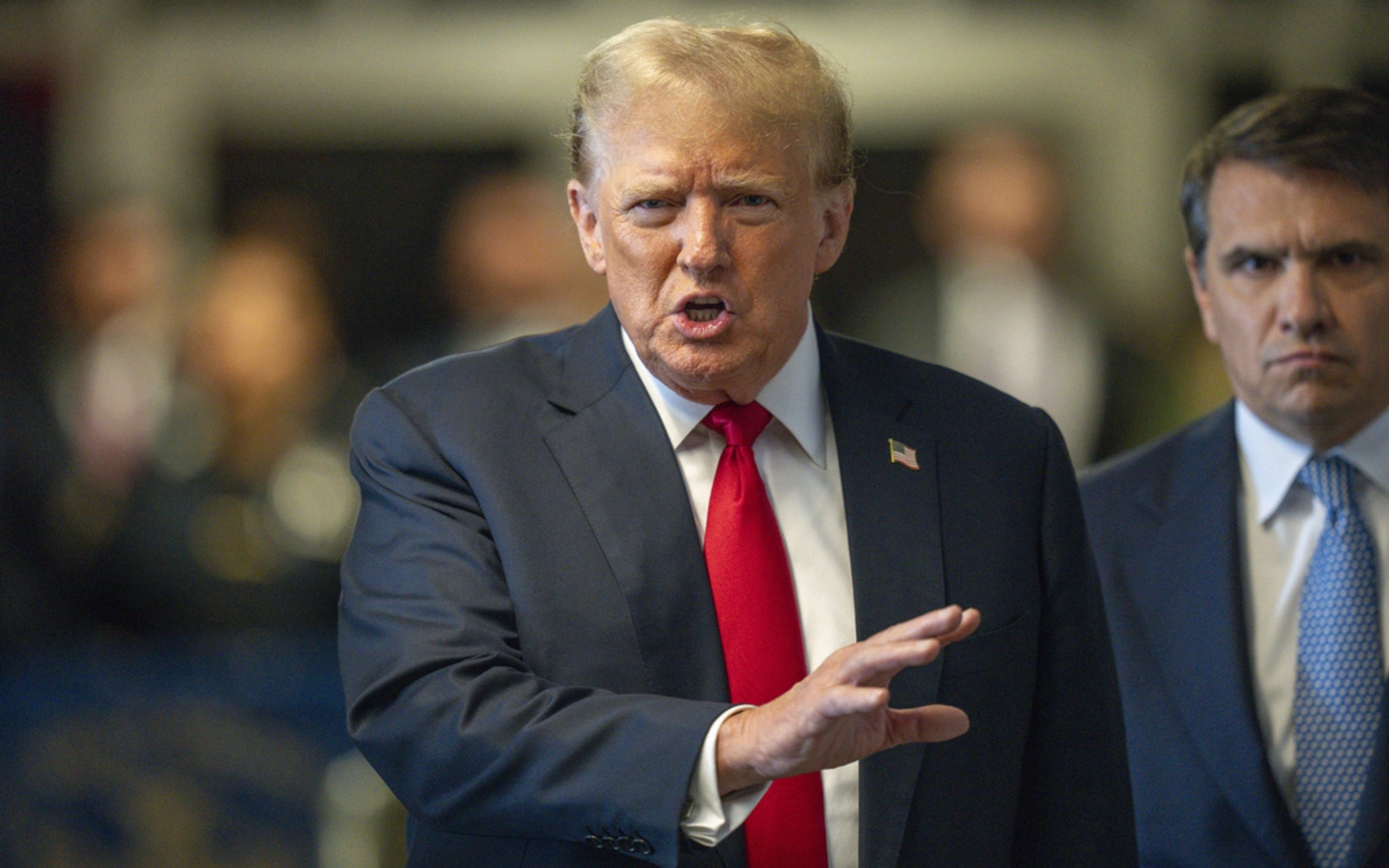
President Donald Trump recently asserted that his administration has restored affordability in the U.S., highlighting lower grocery and energy costs in a social-media post declaring “we fixed it.” Meanwhile, consumer-price analyses show average retail prices have risen significantly this year: merchandise on Target’s site is up 5.5 percent, Walmart’s up 5.3 percent and Amazon’s average uptake exceeds 12 percent.
Though headline inflation has cooled to around 3.1 percent for food, key categories remain under pressure: steak is up over 19 percent, ground beef over 14 percent, bananas up 8.6 percent and coffee has spiked by 41 percent. Import tariffs introduced under the administration are cited as contributing to cost increases in items such as furniture, electronics and apparel.
Trade officials note that many businesses are absorbing higher input costs for now—but warn that those costs will be passed along to consumers. Retailers say some price increases might still reflect prior supply-chain disruptions rather than new policy effects; however, economists caution that the full impact of the tariffs may show up in late-2025 and early-2026 bills.
As voters cite affordability and living-cost concerns as leading issues ahead of the next election cycle, the contrasting narratives between official optimism and everyday financial experiences raise questions about how economic performance will shape political fortunes.