
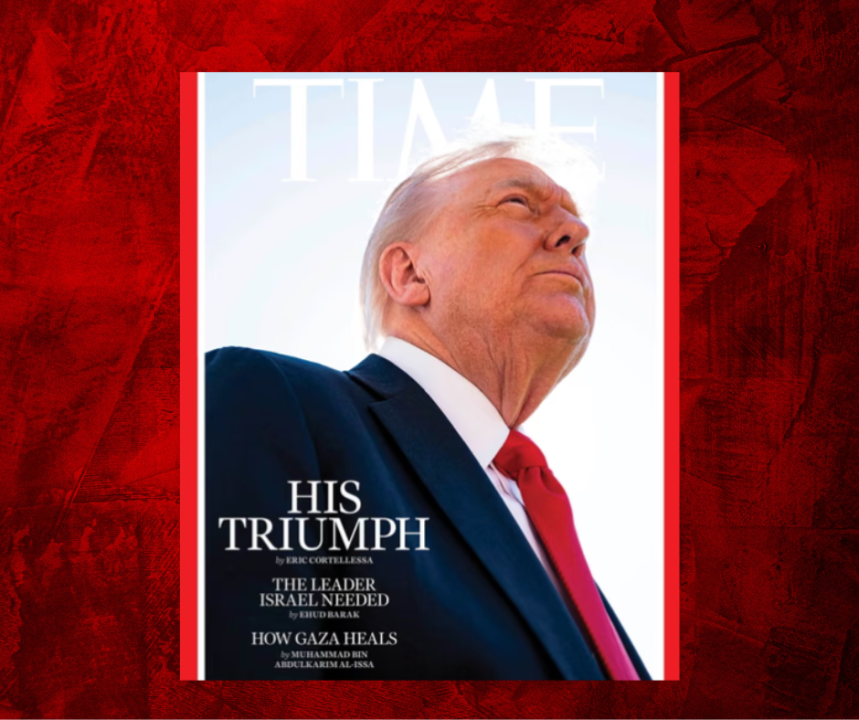
In a blunt rebuke, President Trump denounced the photograph used on Time magazine’s latest cover—declaring it the “Worst of All Time”—and suggested the decision was a calculated slight, rather than an oversight.
Though the accompanying article lauded his role in brokering a Gaza ceasefire, Trump said the image distorted his appearance, complaining it “disappeared” his hair and added what resembled a floating crown. He voiced frustration over the low camera angle, claiming it exaggerated his neck and facial contours.
While not explicitly accusing editors of malice, Trump questioned their intent: “What are they doing, and why?” He suggested that the choice may have been factory-set to provoke a strong reaction. Trump has long been sensitive to how media portrayals frame him visually, viewing such imagery as a rhetorical weapon.
A source close to Time responded after the backlash, noting that photo editors often wrestle with balancing impact and accuracy. Some insiders defended the image, saying it aimed to evoke strength and reflection rather than vanity.
The fight over a photograph underscores how visuals can shape perception, especially when tied to charged political narratives.