
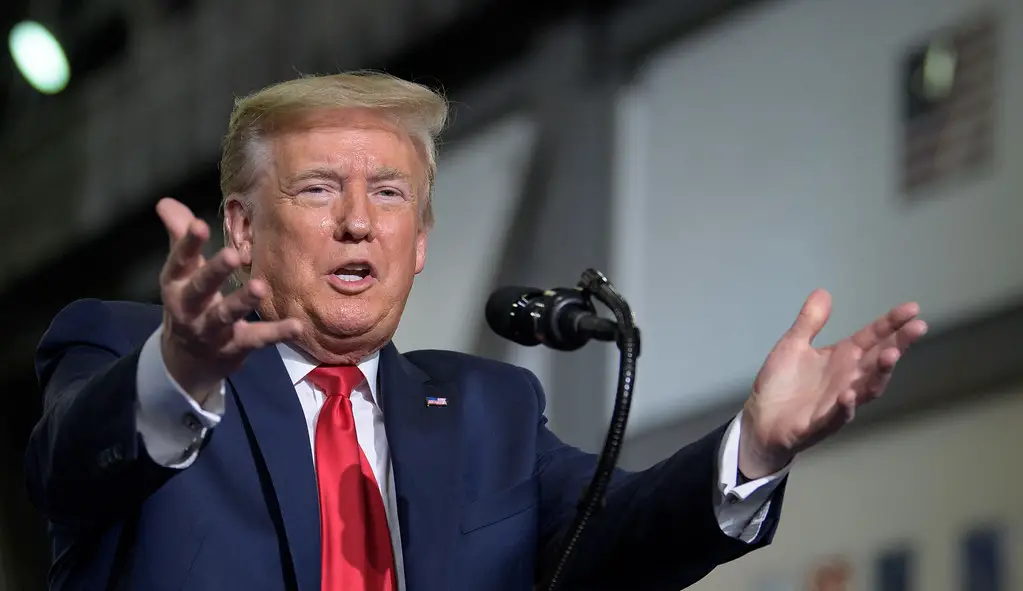
President Donald Trump has announced that a 25% tariff on imports from Canada and Mexico will take effect this Saturday, marking a significant shift in trade policy with two of the United States’ largest trading partners. The decision, which the administration says is aimed at protecting American industries and reducing reliance on foreign goods, is expected to have wide-ranging economic implications.
Speaking at a press briefing, Trump justified the move by stating that the U.S. does not need certain products from Canada and Mexico, arguing that domestic production should take priority. He emphasized that the tariffs are part of a broader strategy to strengthen American manufacturing and decrease dependence on imports that, according to him, undercut local businesses.
The announcement has sparked immediate reactions from both countries, with Canadian and Mexican officials warning that the tariffs could lead to retaliatory measures. Canada, a key exporter of raw materials and consumer goods to the U.S., has indicated that it will explore countermeasures, while Mexico has expressed concerns over the potential impact on cross-border trade, particularly in the agricultural and automotive sectors.
Economic analysts predict that the tariffs could lead to higher prices for American consumers on goods imported from both countries, including food, vehicles, and raw materials. Some U.S. businesses that rely on North American supply chains have raised concerns about disruptions and increased costs.
Supporters of the policy argue that the tariffs will create incentives for companies to shift production back to the United States, ultimately benefiting domestic industries and workers. Critics, however, warn that the move risks straining relationships with key allies and could trigger retaliatory trade barriers that harm U.S. exports.
As the tariffs take effect, negotiations between the U.S., Canada, and Mexico will be closely watched, with all three governments assessing potential economic fallout and the likelihood of further trade disputes.