
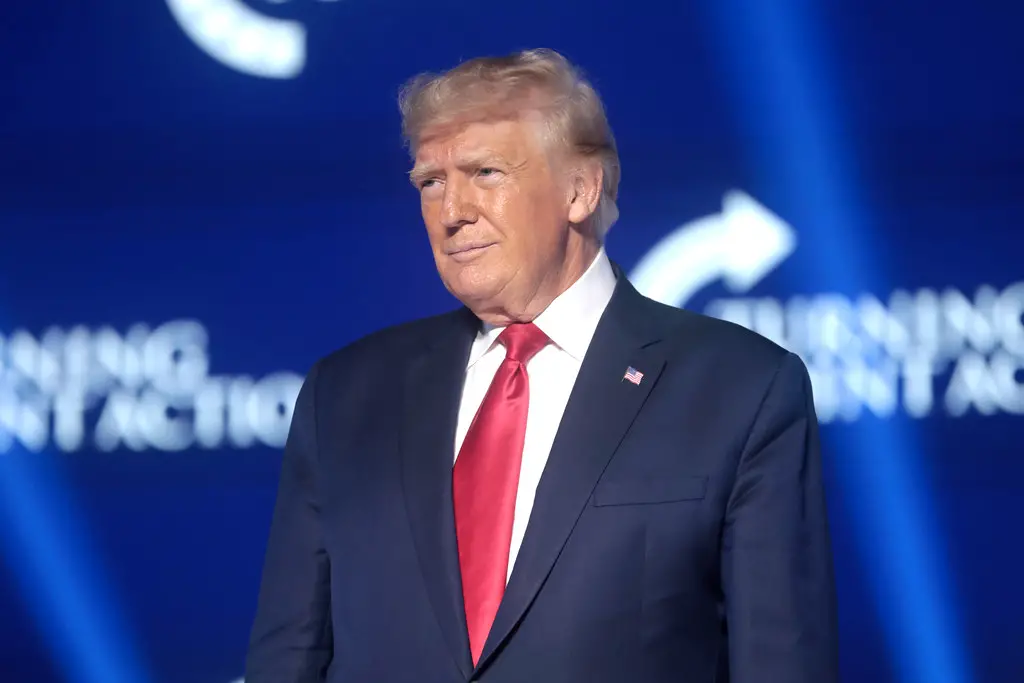
In a recent statement, former President Donald Trump stirred discussion by suggesting that Canada could become the 51st state of the United States. The remark, delivered in a characteristically tongue-in-cheek manner, sparked a wave of reactions on both sides of the border, highlighting its potential political and economic implications.
Trump’s comment came amidst heightened debates over U.S.-Canada relations, focusing on trade, immigration, and shared security concerns. While his statement was likely intended to provoke discussion, some analysts noted that if Canada were hypothetically integrated into the United States, it could significantly alter the political landscape.
Given Canada’s historically liberal voting patterns, its inclusion could bolster Democratic strongholds, potentially creating a “blue state behemoth” scenario. This hypothetical scenario assumes that Canadian provinces would align closely with the progressive stances seen in many northeastern and west coast states.
Economic experts also weighed in, pointing out the complexities such a merger would entail. Canada’s social policies, including its universal healthcare system and differing tax structures, would pose challenges to integration. Additionally, questions regarding cultural identity and sovereignty would likely dominate any serious consideration of such a move.
Canadian leaders have largely dismissed the notion, with some humorously brushing off the idea as another example of Trump’s polarizing rhetoric. However, the remark has reignited conversations about cross-border relations and the shared future of two of the world’s largest economies.
While the suggestion is unlikely to materialize, it underscores the intricate ties and ongoing dialogue between the two nations. For now, the prospect of Canada joining the United States remains firmly in the realm of political banter rather than actionable policy.