
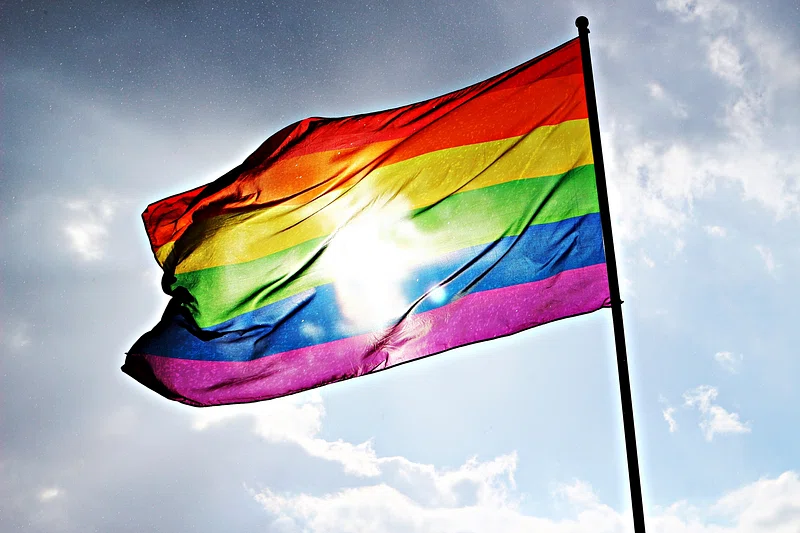
Federal officials in the Trump administration sharply criticized New York City leaders and local activists after a Pride flag was raised at the Stonewall National Monument following its removal from the site’s official flagpole.
The dispute erupted when the Pride flag, a symbol of LGBTQ+ rights tied to the 1969 Stonewall uprising, was taken down from the National Park Service-managed landmark, in line with federal rules regarding flag displays at national sites. New York City representatives and community advocates quickly restored the rainbow banner to a prominent position near the monument.
Administration officials described the reinstatement as a theatrical gesture that disregarded established protocols for historic federal properties. They characterized the action as driven more by political showmanship than by respect for regulatory guidelines.
City leaders and demonstrators defended their decision as an assertion of cultural and historical significance, emphasizing Stonewall’s role as a touchstone for LGBTQ+ advocacy. They maintained that the Pride flag should remain visible at the landmark as a testament to the movement born there.
The public back-and-forth highlighted a broader tension between federal management of national monuments and local efforts to assert community values. As the conversation continues, both sides have signaled that the debate over symbols and spaces will remain a point of contention.