
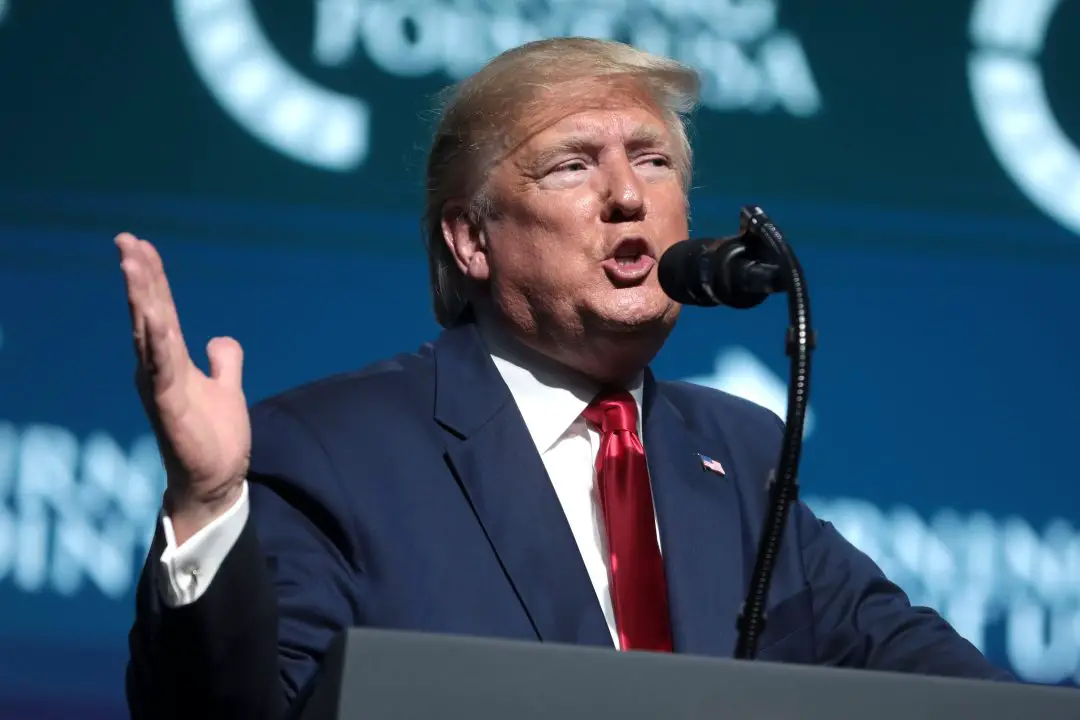
President Donald Trump is drawing sharp criticism after sharing an image allegedly depicting Kilmar Abrego Garcia with “MS-13” tattooed across his knuckles—a photo many now claim was digitally altered to support the administration’s controversial deportation of the Maryland resident.
The image surfaced as the White House defended its use of the Alien Enemies Act to deport Garcia, despite a Supreme Court order blocking the removal. Critics argue that the post was an attempt to sway public opinion with misleading content and portray Garcia as a confirmed gang member without solid evidence.
Garcia, who had been granted protection from deportation in 2019 and has no criminal convictions, was forcibly sent to El Salvador last month under the administration’s new enforcement priorities. Federal officials cited a 2019 detective summary referencing an anonymous informant, but legal experts and human rights advocates say the information is outdated, unverified, and insufficient to override a Supreme Court injunction.
The controversy has reignited concerns about the use of executive power, government transparency, and the politicization of immigration enforcement. While supporters argue the move was necessary to protect public safety, opponents insist it reflects a dangerous pattern of bypassing due process and manipulating public perception.