
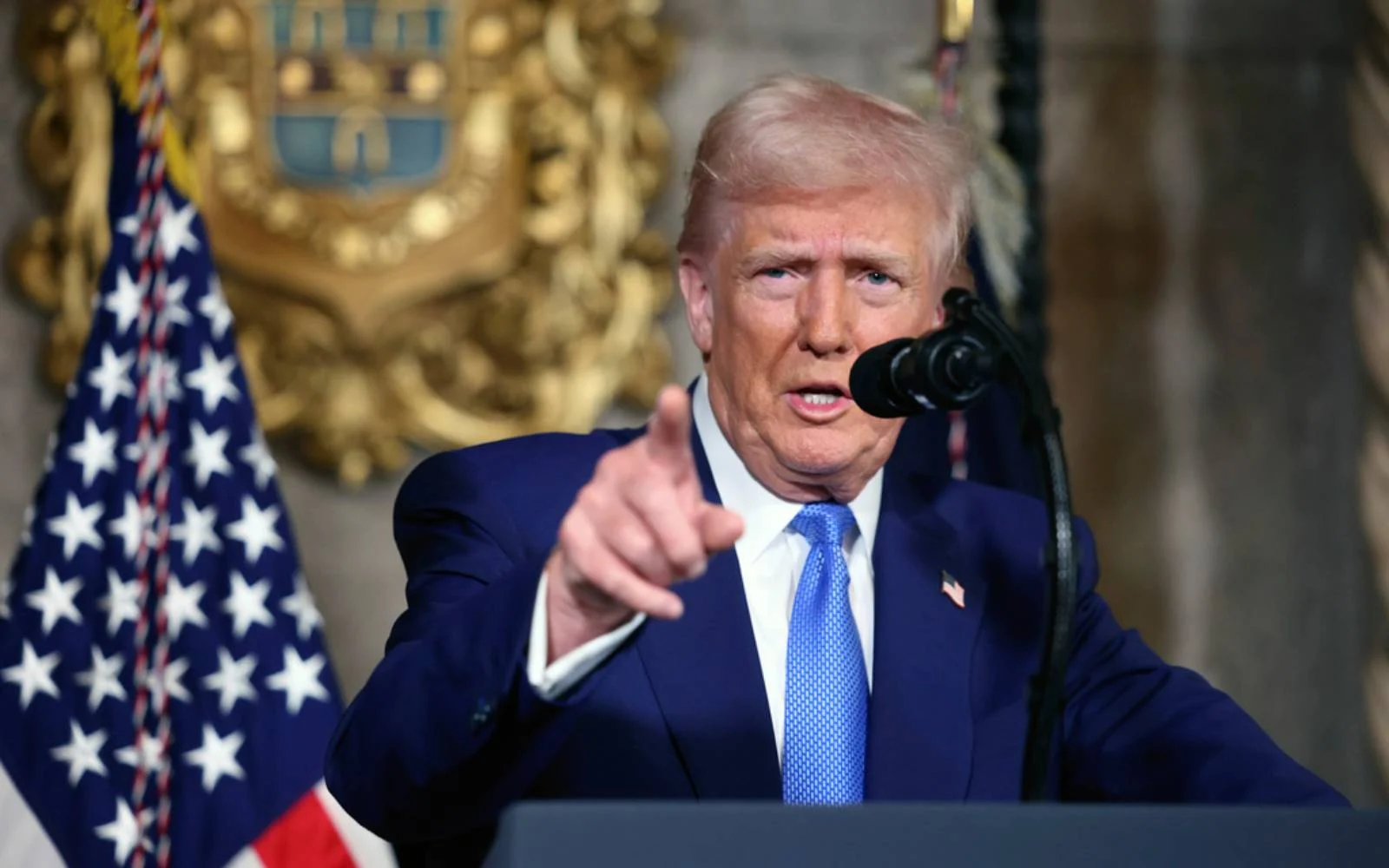
President Donald Trump and Environmental Protection Agency Administrator Lee Zeldin announced what the administration describes as the largest deregulatory action in U.S. history, dismantling a foundational environmental policy that had guided federal climate regulations for more than a decade.
The change rescinds a key scientific finding that previously classified greenhouse gases like carbon dioxide and methane as harmful to public health and welfare under the Clean Air Act. By eliminating this determination, the federal government effectively removes the legal basis for a broad array of greenhouse gas regulations on vehicles, power plants and other major sources of emissions.
Officials from the administration framed the rollback as a way to reduce regulatory costs and ease burdens on industry and consumers, arguing that the previous policy hindered economic growth without delivering proportional environmental benefits.
Opponents of the move immediately criticized the decision, asserting that it undermines federal authority to regulate emissions and weakens efforts to address climate change. Some state leaders and environmental advocates pledged to challenge the action through legal channels, contending that the rollback could have far-reaching impacts on environmental protection.
The announcement marks a significant shift in federal climate policy, with implications for future regulatory actions and ongoing debates over the balance between economic priorities and environmental safeguards.