
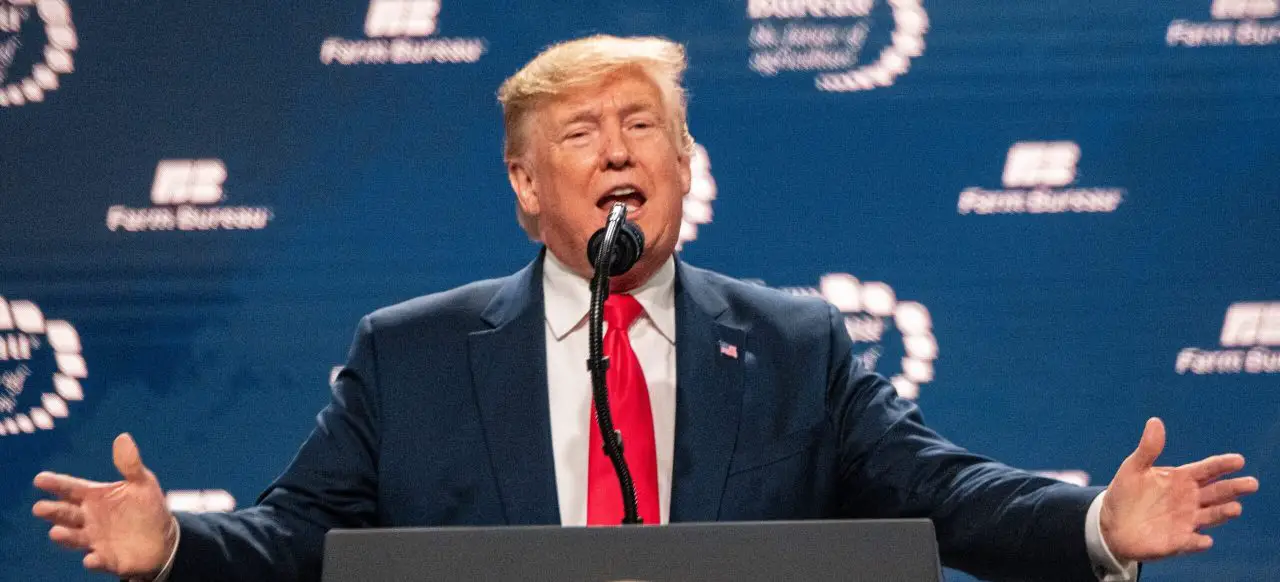
President Donald Trump has directed federal agencies to launch a comprehensive review aimed at identifying and deporting individuals engaged in antisemitic activities, including foreign students on visas. The initiative, which aligns with the administration’s broader focus on national security and immigration enforcement, seeks to hold those promoting hatred and violence accountable.
According to officials, the order mandates a detailed examination of individuals linked to antisemitic incidents, particularly those who are in the United States on temporary visas. The review will assess whether participation in hate-fueled demonstrations or threats against Jewish communities constitutes grounds for deportation under existing immigration laws.
The directive follows growing concerns over a rise in antisemitic rhetoric and attacks, with the administration vowing to take a strong stance against those who engage in or incite such actions. The review will involve multiple federal agencies, including the Department of Homeland Security and the Department of Justice, to ensure coordinated enforcement.
Supporters of the initiative argue that individuals who spread hate or engage in violent demonstrations should not be allowed to remain in the country, particularly if they are here on a temporary basis. They view the move as a necessary step to protect Jewish communities and reinforce U.S. values against intolerance.
Critics, however, have raised concerns about the scope of the directive, questioning whether it could be applied too broadly and impact free speech rights. Some advocacy groups have warned that the policy could lead to subjective enforcement and potential legal challenges.
As the review process begins, the administration has emphasized that it is committed to enforcing immigration laws while ensuring that legitimate concerns about hate speech and violent extremism are addressed. The directive underscores the government’s ongoing effort to combat antisemitism through both legal and immigration channels, setting the stage for potential policy shifts in handling cases involving foreign nationals.