
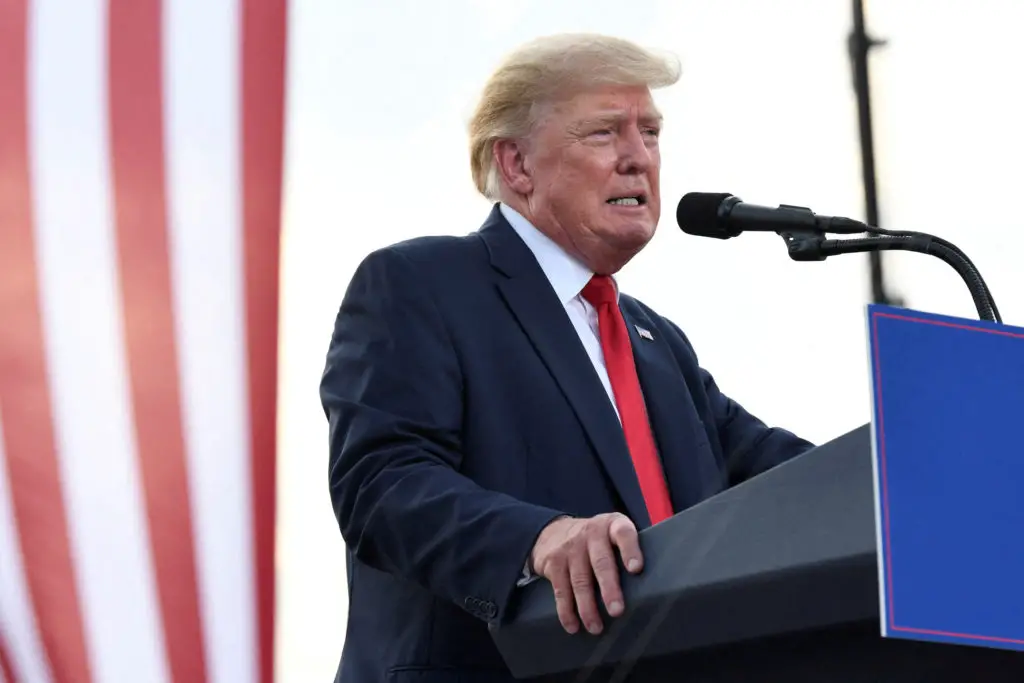
President Donald Trump has issued a directive requiring federal employees to return to in-office work, reversing remote work policies that had been widely implemented in recent years. The decision is part of a broader effort by the administration to restore traditional workplace structures and improve government efficiency.
According to administration officials, the mandate aims to enhance productivity, increase accountability, and ensure that federal agencies operate at full capacity. The move impacts thousands of federal employees across various departments who had been allowed to work remotely under previous policies.
Supporters of the decision argue that in-person work fosters better collaboration, improves public service efficiency, and ensures that government agencies function effectively. They believe that a return to physical offices will lead to stronger oversight and a more engaged workforce.
However, the policy has faced pushback from federal workers and unions, who argue that remote work has proven to be effective and offers flexibility without compromising productivity. Critics contend that forcing employees back into offices could lead to higher turnover rates and increased dissatisfaction among government workers.
The administration remains firm in its stance, with officials stating that federal workplaces should set an example for the private sector in returning to normal operations. The transition back to in-office work is expected to be phased in over the coming weeks, with agencies given specific timelines to comply.
As federal employees adjust to the new requirements, the decision has reignited discussions about the future of workplace policies and the role of remote work in government operations. The administration’s move signals a clear shift in how federal agencies will function moving forward, with an emphasis on restoring pre-pandemic work environments.