
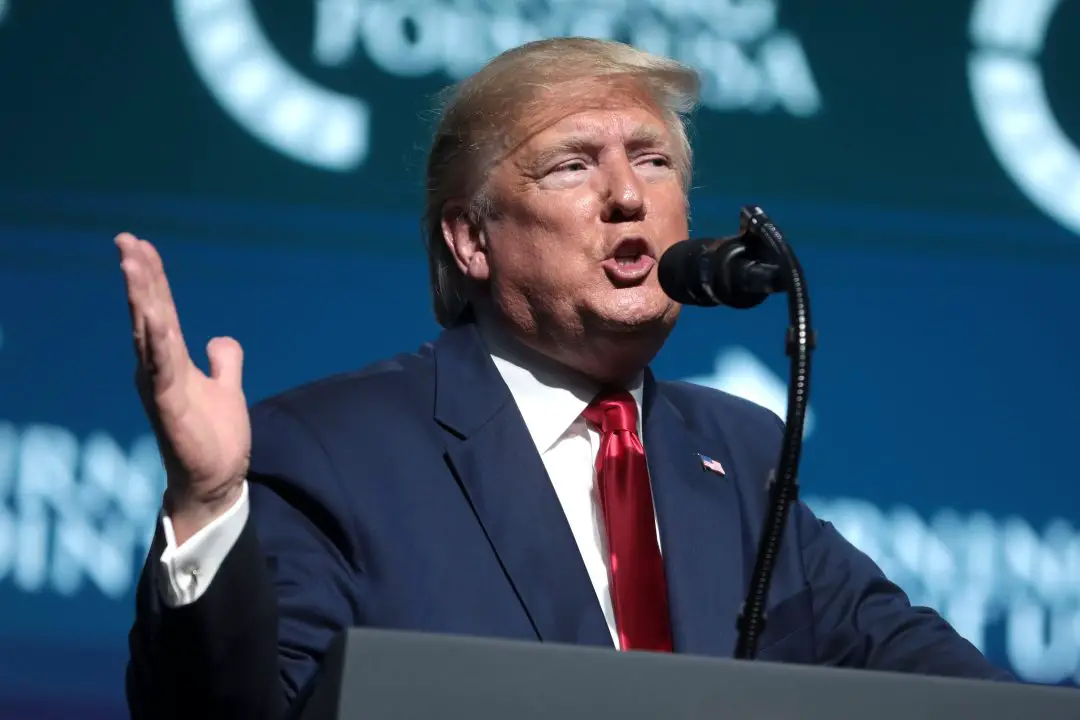
President Donald Trump has adopted a noticeably shifting stance in the Russia–Ukraine war, leaving analysts and allies uncertain about America’s next move.
In recent weeks, Trump imposed fresh sanctions on Russia’s major oil companies while simultaneously cancelling a planned summit with Russian President Vladimir Putin—a signal of heightened pressure on Moscow. At the same time, he stressed that the U.S. would not deploy ground troops in Ukraine, even as he expressed interest in brokering a peace deal.
Trump has publicly called out Putin for rising casualty figures and praised Ukrainian fighters, yet he has also questioned Kyiv’s war strategy and urged Europe to reduce its dependence on Russian energy. Those combined positions suggest a dual approach: maintaining strong diplomatic-economic pressure on Russia while trimming America’s direct involvement in the conflict.
The ambiguity of the policy—tough on Russia but cautious about U.S. entanglement—has prompted confusion among Europe’s NATO allies, Ukraine’s leaders, and Washington’s internal foreign-policy community. With no clear blueprint released, much of the administration’s objectives remain opaque, underscoring how the U.S. strategy is now in flux.