
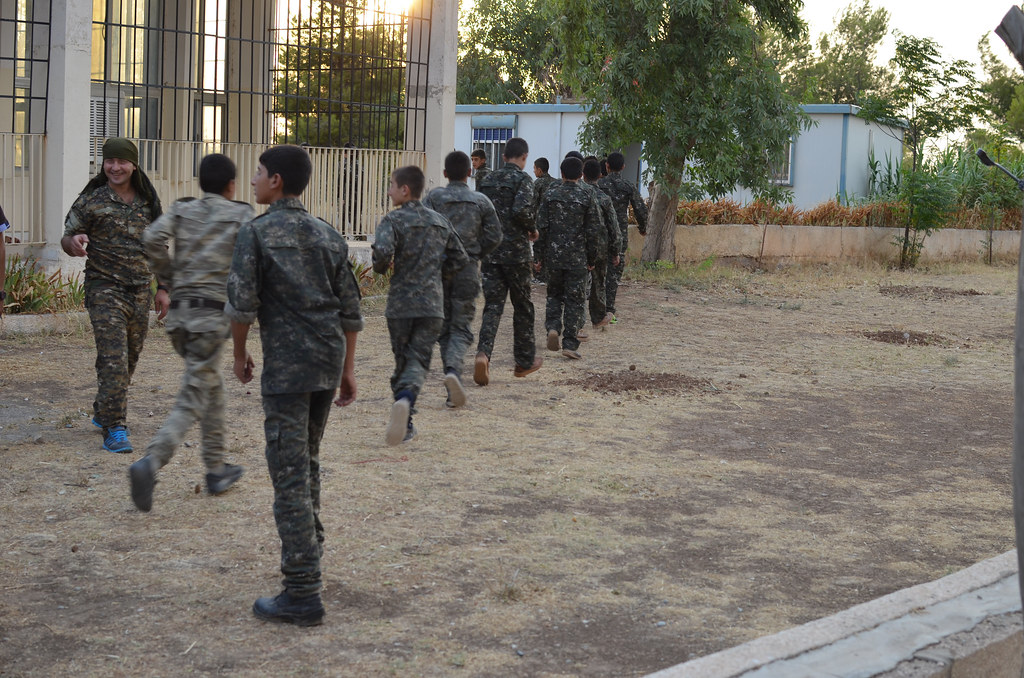
Turkey conducted a series of airstrikes in neighboring Iraq and Syria, targeting Kurdish militant positions. The operation, orchestrated by the Turkish Defense Ministry, was in response to an attack on a Turkish military base in Iraq, which resulted in the deaths of nine Turkish soldiers.
The airstrikes focused on Kurdish militant targets in various locations in northern Iraq, including Metina, Hakurk, Gara, and Qandil. The Turkish fighter jets successfully destroyed caves, bunkers, shelters, and oil facilities used by the militants. The Defense Ministry stated that the operation was executed to neutralize terrorist attacks against Turkish people and security forces and to ensure border security.
These targets were affiliated with the Kurdistan Workers’ Party (PKK), a group designated as a terrorist organization by the United States and other allies of Turkey. The PKK maintains bases in northern Iraq, posing a threat to Turkish security.
Local news reports indicated that the strikes occurred in a different area from where the Turkish base was attacked. The base, located on Mount Zap in Amedi district, is approximately 10 miles from the Turkish border.
Following the attack on the base, the Turkish Defense Ministry reported the deaths of five soldiers initially, with four more succumbing to critical injuries. An additional fifteen militants were killed during the assault.
Turkey’s response to the PKK attacks has been robust, often launching strikes against targets it associates with the PKK, both within and beyond its borders. Turkish Foreign Minister Hakan Fidan expressed his commitment to fighting the PKK terrorist organization in a social media statement.
The escalation of these military actions by Turkey in the region is part of its broader strategy to combat Kurdish militant groups, which it perceives as a significant threat to its national security. This strategy includes airstrikes and land assaults, aiming to diminish the militants’ capacity to launch attacks against Turkish targets.