
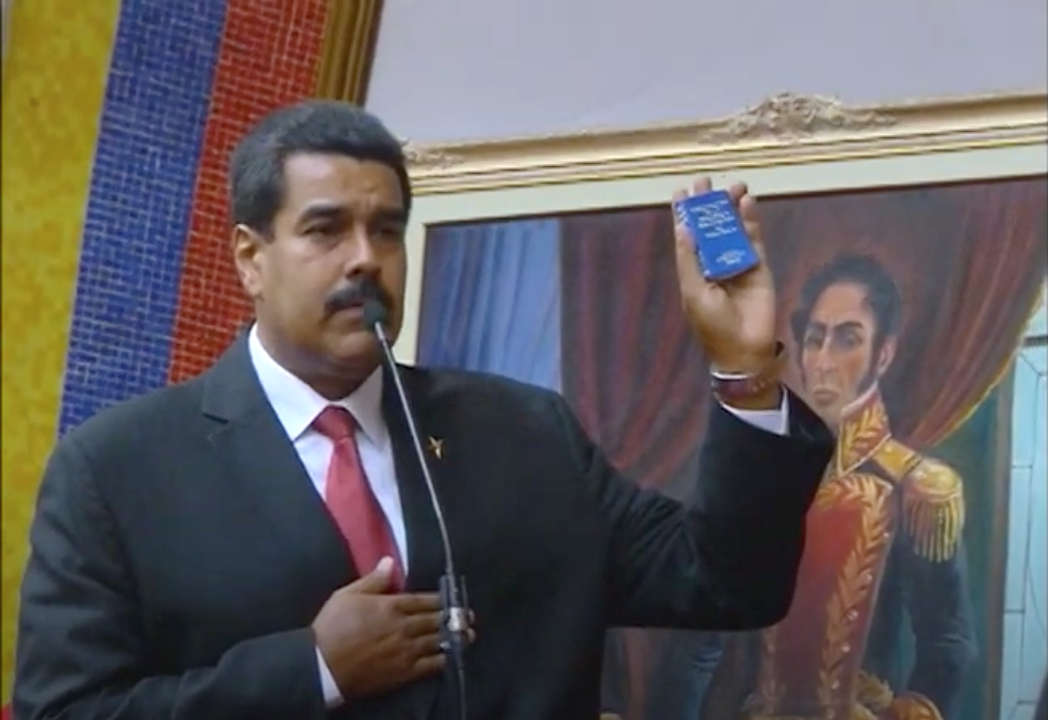
In recent weeks, the U.S. has carried out a series of military strikes against vessels off the Venezuelan coast accused of drug trafficking — a campaign Washington says targets criminal networks but which observers argue could also chip away at President Nicolás Maduro’s control.
The U.S. bombardments—at least four deadly operations to date—have coincided with the deployment of multiple warships, submarines, and fighter aircraft in Caribbean waters.
Officials describe these moves as part of a “shadow war” that seeks not just to dismantle cartel infrastructure but to inflict financial damage on Venezuela’s regime.
Analysts suggest that the strategic goal is to disrupt revenue flows from narcotrafficking, potentially sparking fractures within Maduro’s security forces.
The Trump administration has designated certain drug cartels as “narco-terrorist” groups and formally notified Congress that the U.S. is engaged in a “noninternational armed conflict” with them — a legal shift meant to justify military force beyond traditional law enforcement.
Critics, however, caution that the approach blurs the line between policing and warfare and could be viewed internationally as a step toward regime change.
Maduro and his government denounce the strikes as illegal aggression, accusing the U.S. of seeking to provoke destabilization. Meanwhile, supporters of the U.S. campaign argue it is a bold use of force to choke off illicit funding that sustains authoritarianism in Caracas.