
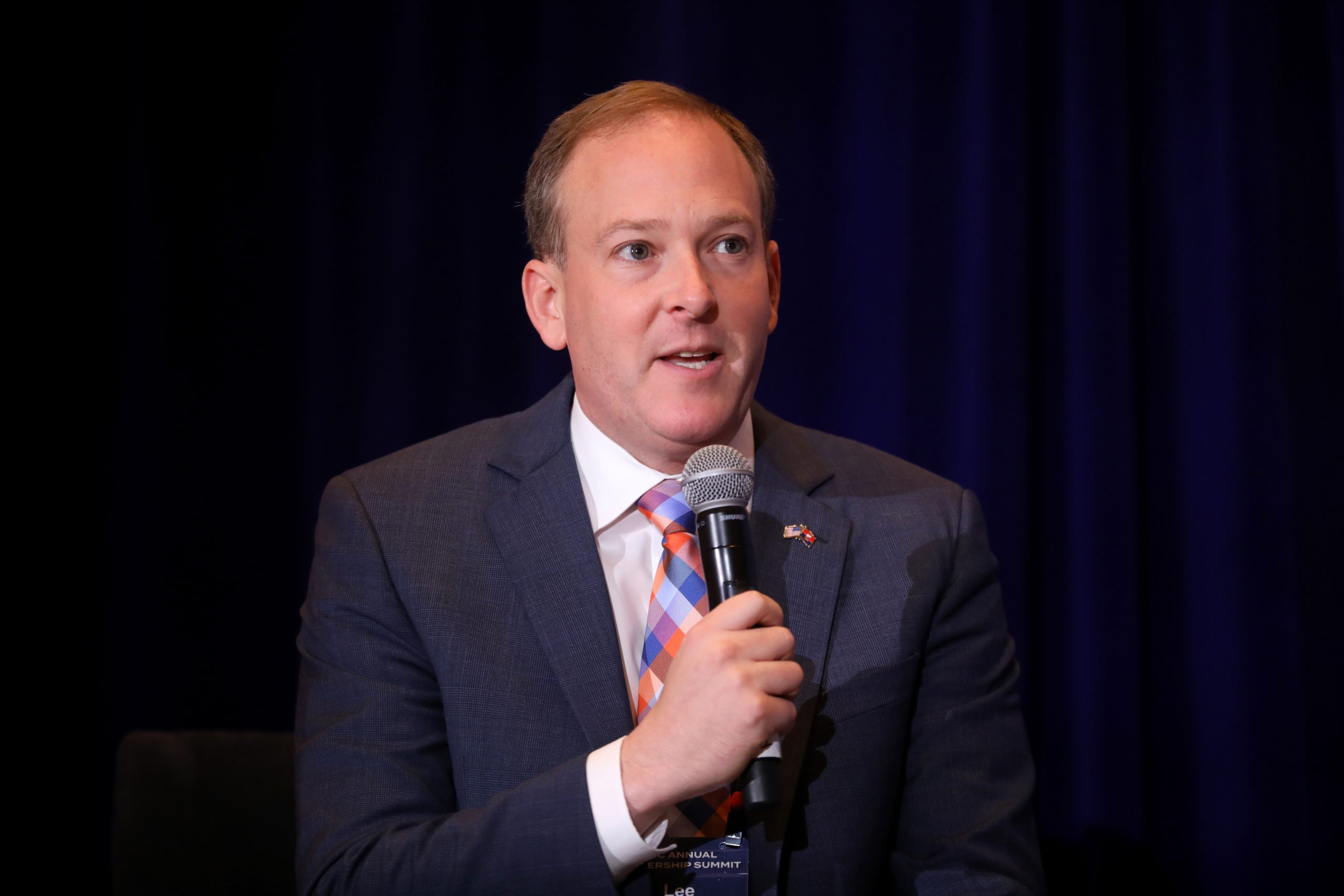
In a major shift in national environmental policy, the U.S. Environmental Protection Agency under Administrator Lee Zeldin has repealed a key 2009 scientific finding that had served as the legal basis for regulating greenhouse gas emissions on vehicles, power plants and other major polluters. The move was announced at a White House event with President Donald Trump, who described it as the nation’s largest deregulation effort ever.
The discarded determination, known as the endangerment finding, previously held that certain greenhouse gases — including carbon dioxide and methane — threaten public health and welfare under the Clean Air Act. That conclusion had enabled a broad suite of federal regulations aimed at cutting climate-warming emissions for more than a decade.
By eliminating the finding, federal authority to regulate greenhouse gas emissions virtually disappears, effectively nullifying decades of climate policy built on that legal foundation. Officials implementing the change argue it will reduce regulatory costs, increase consumer choice and ease economic burdens linked to environmental standards.
Critics, including state leaders and environmental groups, immediately opposed the rollback and signaled plans to challenge it in court, contending that it undermines public health protections and scientific consensus on climate risk. With legal battles expected, the future of U.S. climate governance now faces significant uncertainty.