
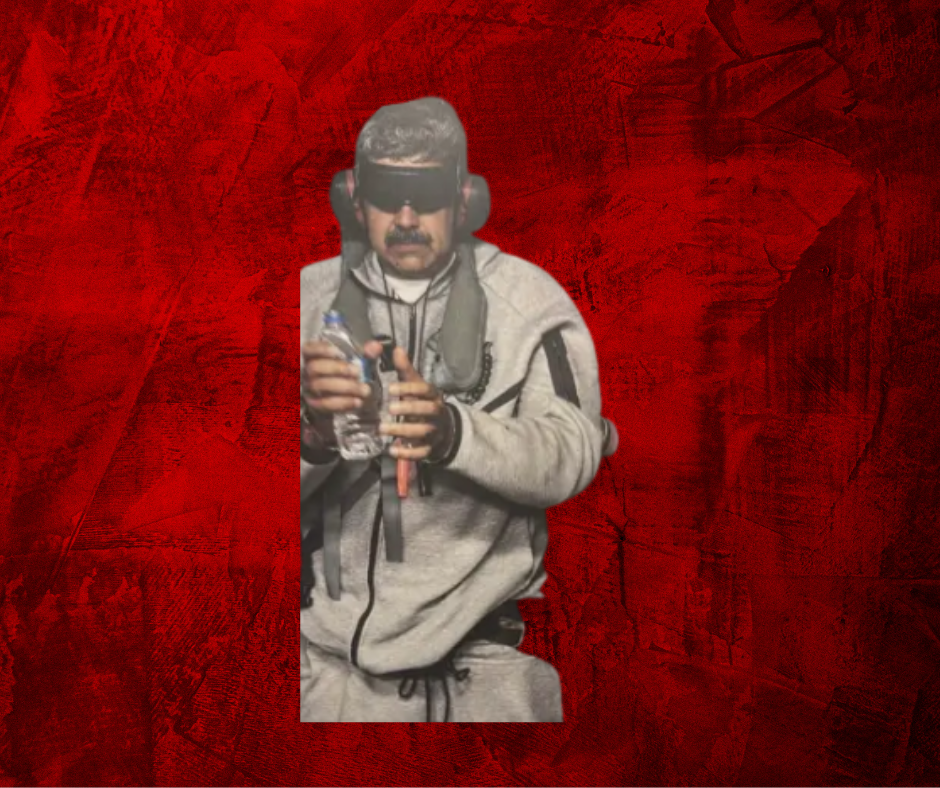
The U.S. military has released new operational details chronicling the sophisticated campaign that led to the capture of Venezuelan leader Nicolás Maduro, revealing that more than 150 aircraft participated in various phases of the mission.
According to the timeline shared by defense officials, the operation unfolded over several coordinated stages involving intelligence gathering, logistical preparation, and the final tactical deployment. Early phases included surveillance flights and reconnaissance missions to track movements and establish secure air corridors. These efforts helped commanders map out strategic entry and extraction points.
As the mission progressed, a mix of transport jets, refueling tankers, drones, and assault helicopters were mobilized, creating an aerial network that supported forces on the ground while maintaining operational flexibility. Military planners emphasized that such a large aircraft presence was necessary to ensure rapid movement, real-time communication, and contingencies for evolving conditions.
The chronology also highlights key decision points, such as authorization from senior civilian leadership, shifts in Maduro’s location, and synchronization between air and ground units. Commanders underscored that precise timing was essential to limit risks to U.S. personnel and noncombatants.
Defense officials noted that the scale of the aircraft involvement reflected both the geographic challenges of operating in Venezuela’s terrain and the need to coordinate multiple military assets simultaneously. The overview sheds light on how airpower was leveraged to create operational advantage and maintain situational awareness throughout the mission.
This detailed breakdown contributes to a clearer understanding of how the complex operation was conducted, illustrating the depth of planning, coordination across service branches, and heavy reliance on aviation capabilities to achieve a high-priority objective.