
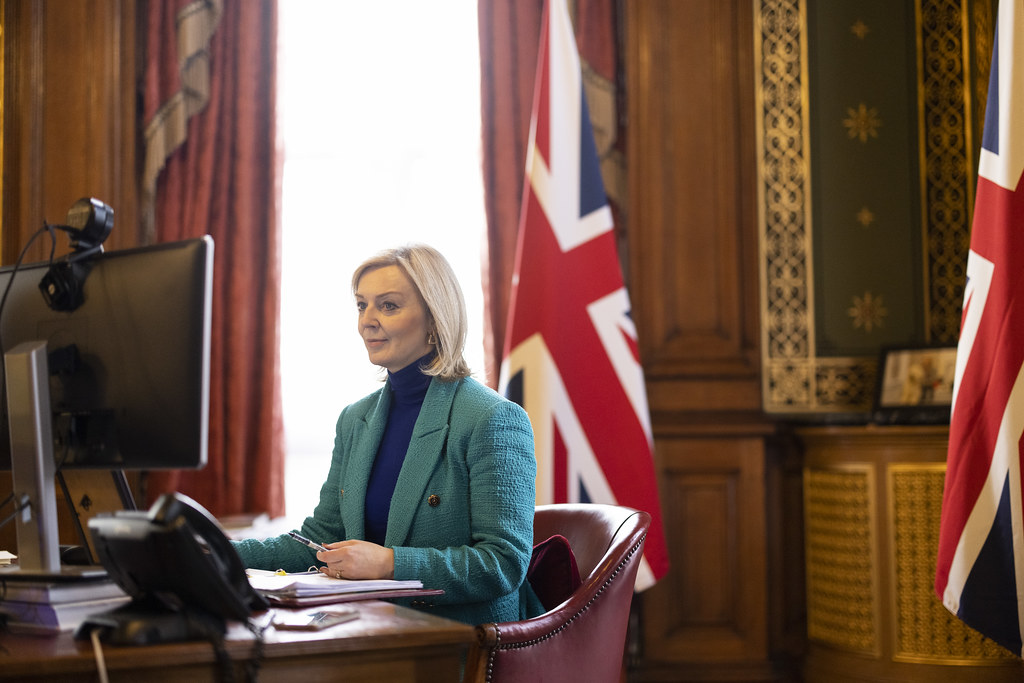
Former UK Prime Minister Liz Truss delivered a stinging rebuke of the BBC this week, calling the broadcaster a “laughingstock” and backing Donald Trump in his threat to sue for around $1 billion over an editing controversy involving his January 6 2021 speech.
The spat stems from a documentary aired by Panorama that spliced two separate portions of Trump’s speech, omitting his initial call for supporters to protest “peacefully and patriotically,” and instead presenting the statement near the end — “fight like hell” — as though it immediately followed. Trump alleges the edit misrepresented his remarks to make it appear he incited violence when no such direct call was made.
In response to mounting pressure, the BBC apologized for the mis-splice and removed the broadcast from circulation. Two senior executives — Director-General Tim Davie and News Chief Deborah Turness — subsequently stepped down amid the fallout.
Truss criticised the broadcaster for what she described as politically biased coverage that undermines global media credibility, and insisted the BBC should no longer receive public funding. She argued that the editorial lapse has exposed deeper institutional flaws.
Meanwhile, Trump’s legal advisors are reviewing options to pursue his compensation claim under British defamation rules while exploring venue and jurisdiction across U.S. and UK threads. As the case looms, the affair has escalated into a broader debate about media accountability, broadcast ethics and cross-border legal exposure in high-stakes political disputes.