
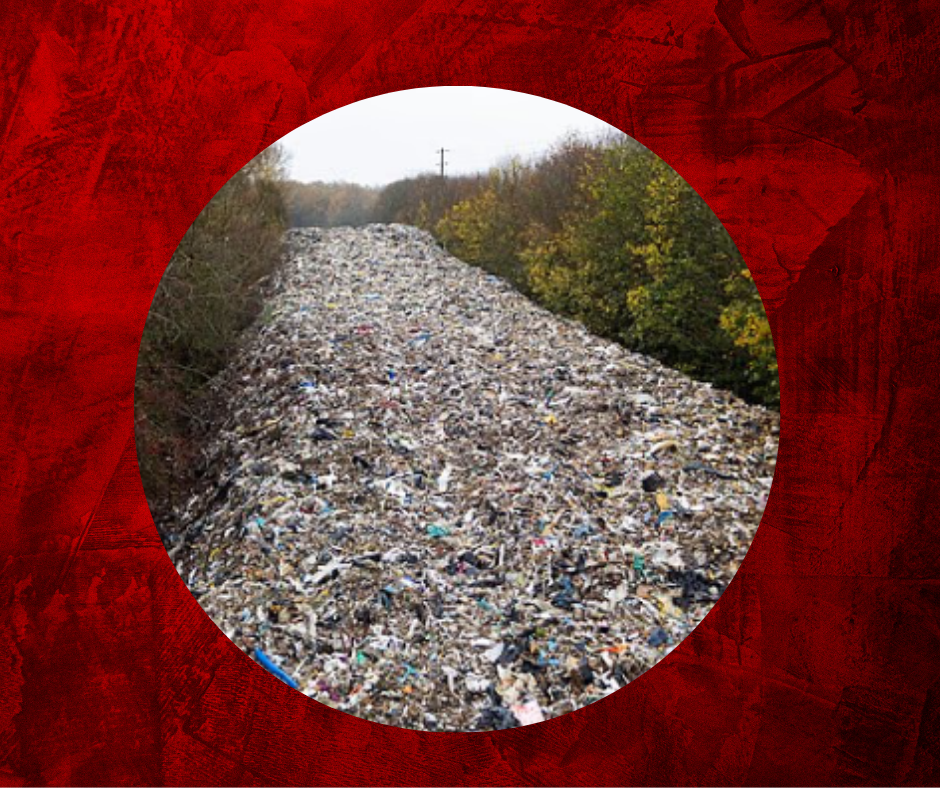
Criminal gangs in Britain are reportedly raking in millions annually by dumping huge volumes of waste illegally across the country — often leaving monstrous piles of rubbish in forests, fields, and waterways.
Recent investigations indicate organized networks are behind a substantial share of the waste-dumping incidents, exploiting weak enforcement and minimal oversight to treat environmental destruction as a lucrative business. Estimates suggest wild dumping, or “fly-tipping,” costs taxpayers and local communities up to £1 billion a year in cleanup, enforcement, and lost revenues.
One shocking example involved thousands of tonnes of trash dumped at a protected woodland site, largely escaping detection or prosecution despite repeated warnings from residents. Officials say the problem is far wider, with multiple other illegal dump zones identified from the south of England to the far north, many of them apparently still active.
Authorities and lawmakers warn that fly-tipping is not just a nuisance — it’s becoming a major gateway crime, often tied to other serious offences including money laundering, drug trafficking, and organized crime networks. Calls are mounting for a full overhaul of waste-crime enforcement, including stronger penalties, better monitoring, and cooperation across police, environmental agencies, and the judiciary.
Local communities — long used to clearing small amounts of rubbish — are now facing waste mountains that threaten both public health and the environment. Cleanup efforts are already straining council budgets, and officials say tackling the problem will require national reforms and dedicated resources.