
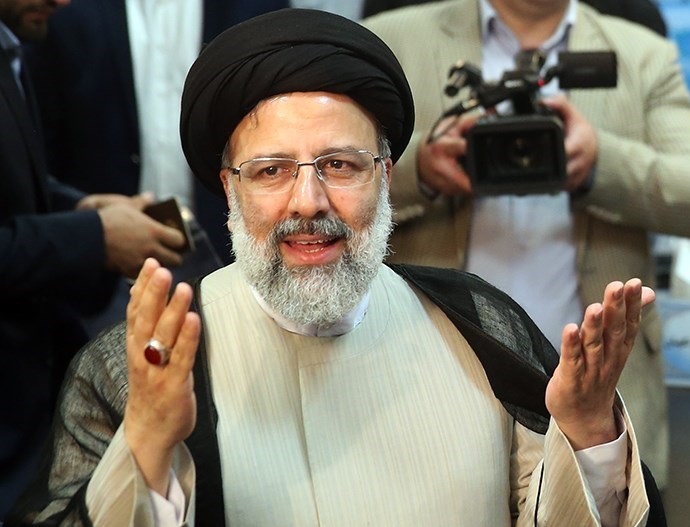
Iranian state media confirmed early Monday that President Ebrahim Raisi died in a helicopter crash. Despite his notorious reputation as the “Butcher of Tehran” for overseeing Iran’s severe human rights abuses, the United Nations held a moment of silence for him at the request of Russia, China, and Algeria. This gesture included U.S. Deputy Ambassador to the U.N. Robert Wood among those standing in respect at the U.N. Security Council.
Israeli U.N. Ambassador Gilad Erdan condemned the act, calling it a disgrace to honor someone responsible for mass murder. He criticized the U.N. Security Council for failing to address the release of hostages held by Hamas since the October 7 attack on Israel. Erdan harshly questioned the council’s priorities, likening the moment of silence for Raisi to potentially commemorating Hitler.
U.S. State Department spokesperson Matt Miller clarified the U.S. stance, acknowledging Raisi’s brutal record of human rights abuses over nearly four decades. Miller noted Raisi’s role in the 1988 extrajudicial killings of thousands of political prisoners and the severe repression of women and girls during his presidency. Despite expressing regret over any loss of life, Miller emphasized that Raisi’s legacy of brutality cannot be overlooked.
Behnam Ben Taleblu from the Foundation for the Defense of Democracies criticized the U.N. and the State Department for prioritizing diplomatic norms over moral clarity. A senior adviser to the U.S. Ambassador to the U.N. explained that standing for moments of silence in the Security Council is a diplomatic norm and does not signify honor for Raisi.
The helicopter crash occurred in the Dizmar forest in East Azerbaijan province as Raisi returned from inaugurating a dam at Iran’s border with Azerbaijan. He was considered a protégé of Iran’s supreme leader Ayatollah Ali Khamenei and a potential successor within Iran’s Shiite theocracy.
Raisi’s human rights record includes his participation in the 1988 “death commissions” that sentenced thousands of political prisoners and others to death. He defended his actions, claiming to be a defender of human rights and security. Activists, however, highlighted the repression and violence during his presidency, particularly the crackdown following the 2022 protests over the death of Mahsa Amini, which resulted in over 500 deaths and 22,000 detentions.
Raisi’s death marks the end of a controversial and oppressive era in Iranian politics, yet the structure of the regime suggests that others will continue his legacy of repression.