
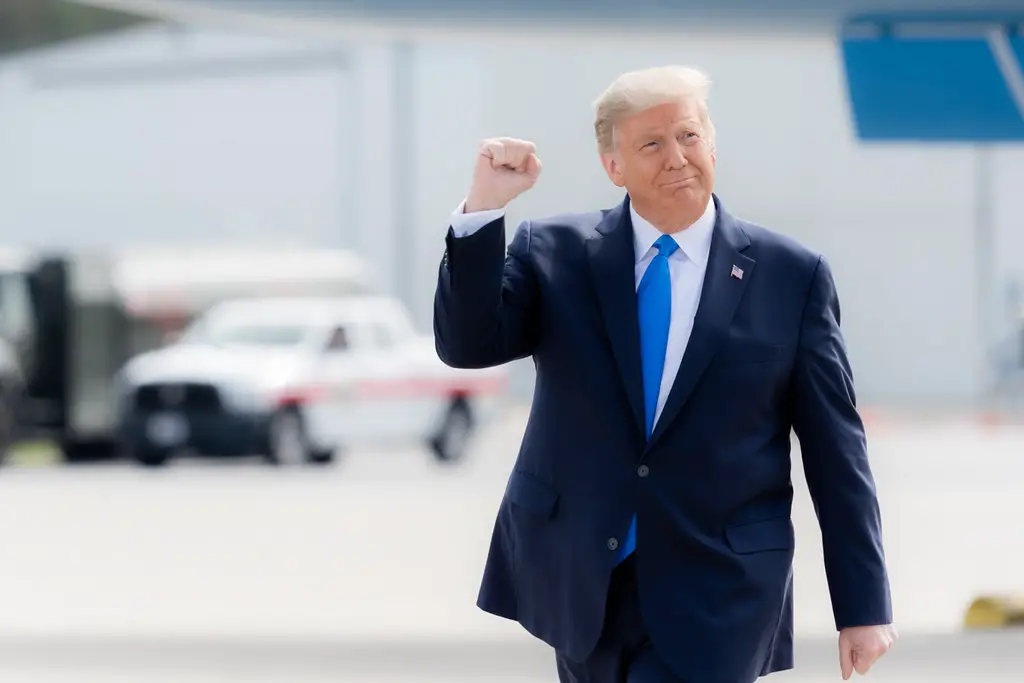
Several universities have faced backlash for their responses to student reactions following the recent presidential election, which resulted in Donald Trump’s victory. Some institutions opted to cancel classes or offer “safe spaces” to students grappling with the outcome, sparking criticism and public debate. The moves were intended to provide emotional support and allow students to process their feelings amid a politically charged environment.
Critics argue that these measures undermine academic integrity and resilience, portraying them as a sign of over-accommodation. On the other hand, proponents contend that universities have a duty to support their students’ well-being during times of heightened tension and uncertainty. The debate underscores the broader conversation about how educational institutions should balance emotional support with their educational missions during contentious political events.The responses have ignited discussions on social media and in the public sphere, with many questioning whether such actions reflect an appropriate level of care or contribute to coddling and divisiveness. As universities navigate this complex terrain, they continue to be scrutinized for how they handle student reactions to major political shifts.