
The competition for air superiority between the United States and China has reached a critical phase, with China making rapid strides in modernizing and expanding its air force capabilities. Once viewed as an air power significantly behind the U.S., China now fields a formidable fleet, having replaced its older frontline aircraft with fourth- and fifth-generation fighters in impressive numbers. China possesses about 1,100 fighters capable of operating over Taiwan without the need for refueling, an advantage tied to its geographic proximity and strategic ambitions in the Western Pacific region.
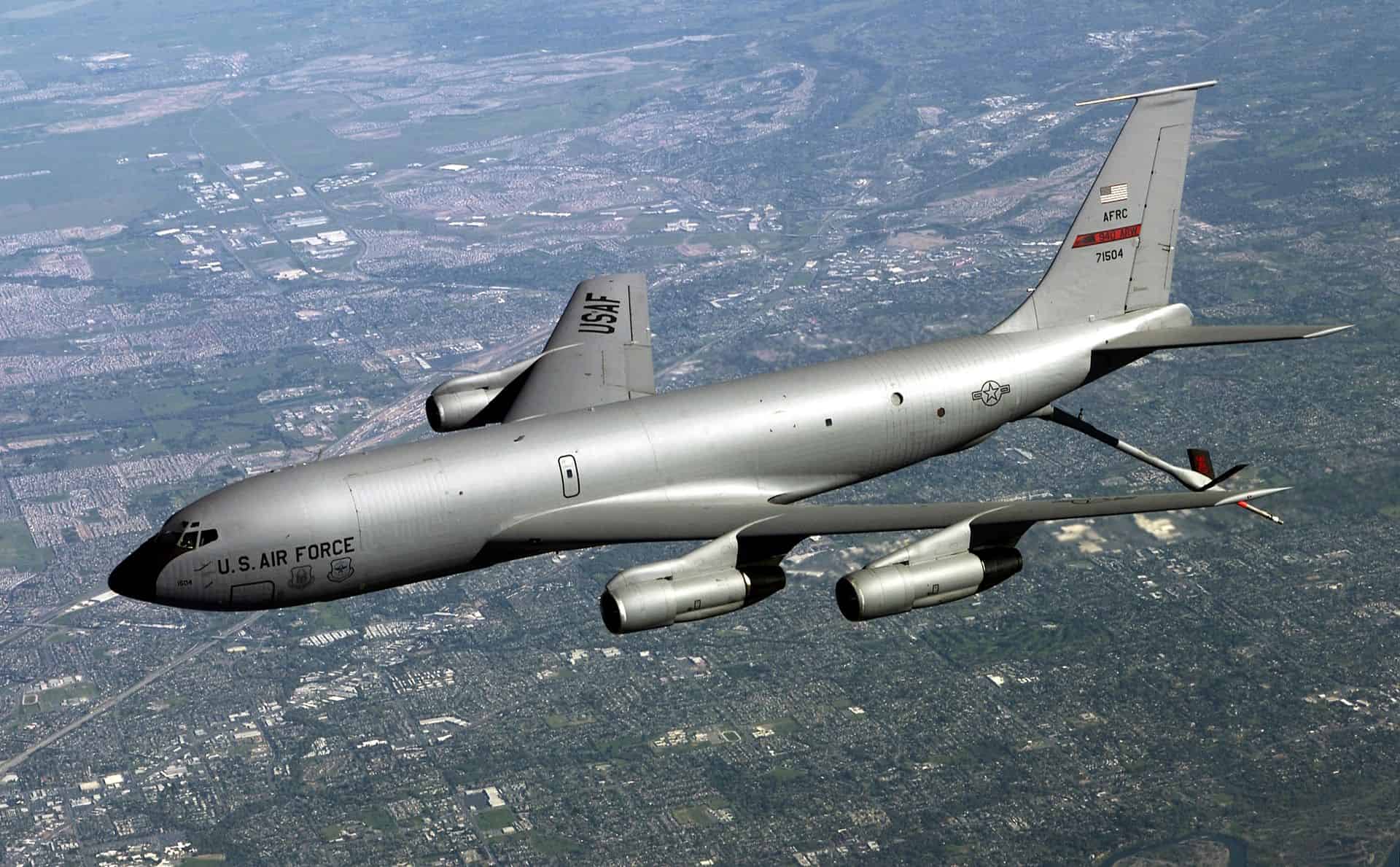
The United States still maintains a broad edge in stealth technology, advanced pilot training, and support infrastructure, including aerial refueling tankers and airborne early warning systems. However, the U.S. faces challenges of an aging fleet where many aircraft date back to the Cold War era, slower production rates of critical aircraft like the F-35 stealth fighter, and operational stresses from long-term deployments that have impacted readiness.
Chinese pilots reportedly average around 200 flight hours annually, significantly more than their U.S. counterparts who average about 110 hours, enhancing China’s operational capability. Additionally, China produces aircraft at a faster rate than the U.S., with estimates showing a production ratio favoring China at about 1.2 to 1. The technological gap is closing as China invests heavily in long-range air-to-air missiles, such as the PL-15, which surpass the range of the U.S. AIM-120 missile, posing tactical challenges in aerial combat.
Overall, while the U.S. retains superiority in key technologies and logistical support, China leverages its numerical strength, geographic advantage, and rapid modernization to challenge American air dominance. The race for air supremacy in the Indo-Pacific region is increasingly competitive, highlighting the urgency for the U.S. to modernize its fleet and maintain its strategic edge in evolving global military dynamics.