
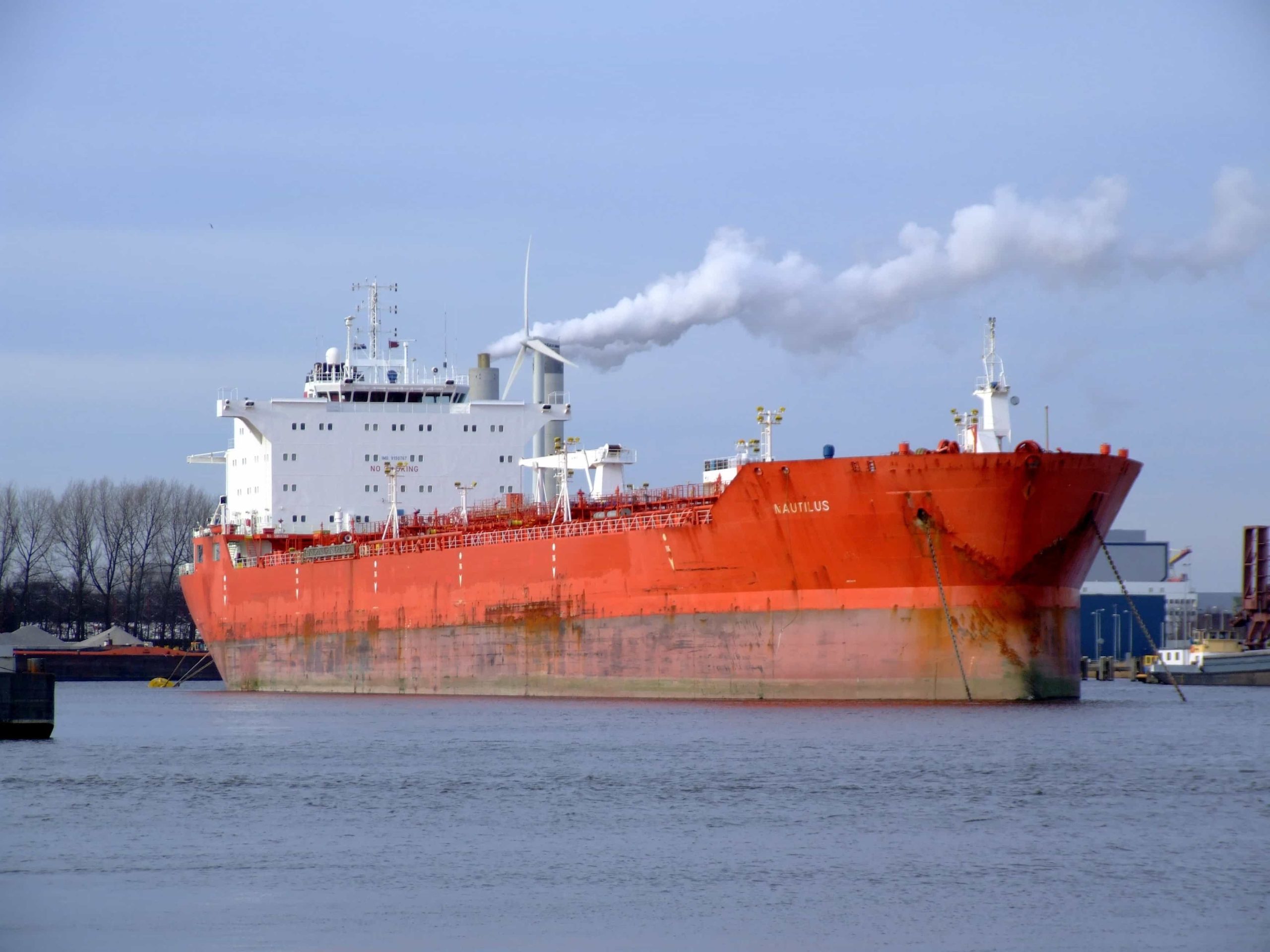
U.S. authorities have confirmed that the recent seizure of a Venezuelan oil tanker was executed under existing civil and criminal maritime statutes — not wartime or emergency powers. Officials explained that the tanker was taken into U.S. custody because it was allegedly involved in transporting oil in violation of longstanding sanctions targeting illicit trade networks.
The operation was authorized through a federal warrant based on laws that allow the government to seize vessels linked to sanctions evasion and unlawful commerce. This legal pathway gave officials the authority to board the ship and take control of its cargo without invoking expanded executive powers reserved for wartime.
According to the government’s account, the tanker’s crude oil was destined for entities and trade routes associated with sanctionable activities, and the vessel itself had been under scrutiny for connections to illicit maritime networks. The Coast Guard and Navy carried out the boarding and transfer as part of a broader effort to enforce sanctions more aggressively and interrupt revenue streams used by criminal organizations and regimes the U.S. views as destabilizing.
The government’s approach underscores that, even in peacetime, existing maritime and sanctions laws can provide a robust framework for interdicting vessels and cargo tied to prohibited activity. Venezuelan officials have protested the action as unlawful, promising diplomatic and legal challenges, while U.S. policymakers maintain the seizure was legally justified under current statutes governing sanctions enforcement and maritime law.