
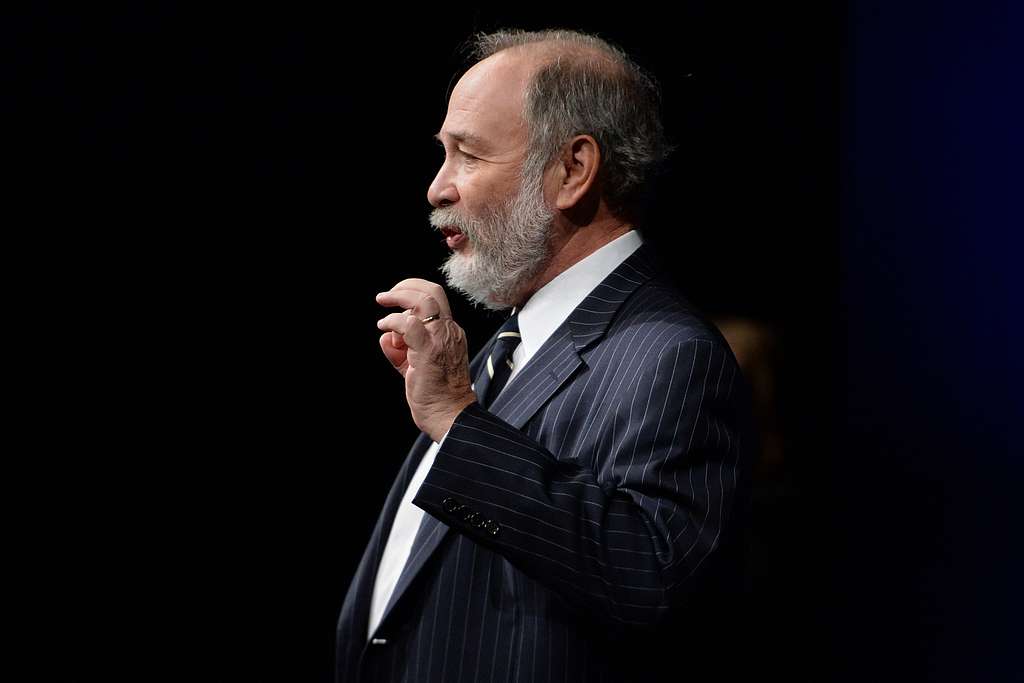
In a recent critique, veteran political commentator Joe Klein expressed deep concerns about the current trajectory of the Democratic Party. Reflecting on the proceedings of the latest Democratic National Committee (DNC) meeting, Klein highlighted what he perceives as an overwhelming focus on intricate gender classifications and identity politics. He argues that such preoccupations indicate a significant intellectual decline within the party’s leadership.
Klein’s apprehensions are not limited to internal party dynamics. He contends that the Democratic Party’s current state has inadvertently facilitated the political ascent of figures like former President Donald Trump. By prioritizing niche ideological concerns over broader, more unifying issues, Klein believes the party has alienated a substantial segment of the American electorate, thereby creating a vacuum that populist leaders have exploited.
To address these challenges, Klein advocates for a comprehensive reevaluation of the party’s priorities. He suggests that the Democrats should moderate their positions on contentious topics, such as immigration and energy policy, and avoid extreme characterizations of political opponents. Furthermore, Klein calls for the emergence of a reformist movement within the party, supported by substantial financial backing and courageous leadership, to steer it back toward addressing the core concerns of everyday Americans.
However, Klein remains skeptical about the feasibility of such a transformation. He acknowledges the deep-rooted nature of the party’s current ideological stance and the significant challenges inherent in implementing meaningful change. Despite his proposals, Klein concedes that revitalizing the Democratic Party to its former prominence is a daunting endeavor, one that may ultimately prove unattainable.
This critique underscores a broader debate within the Democratic Party regarding its future direction and the balance between progressive ideals and widespread electoral appeal. As the political landscape continues to evolve, the party faces critical decisions about how to reconcile internal diversity with the goal of building a cohesive and compelling platform for all Americans.