
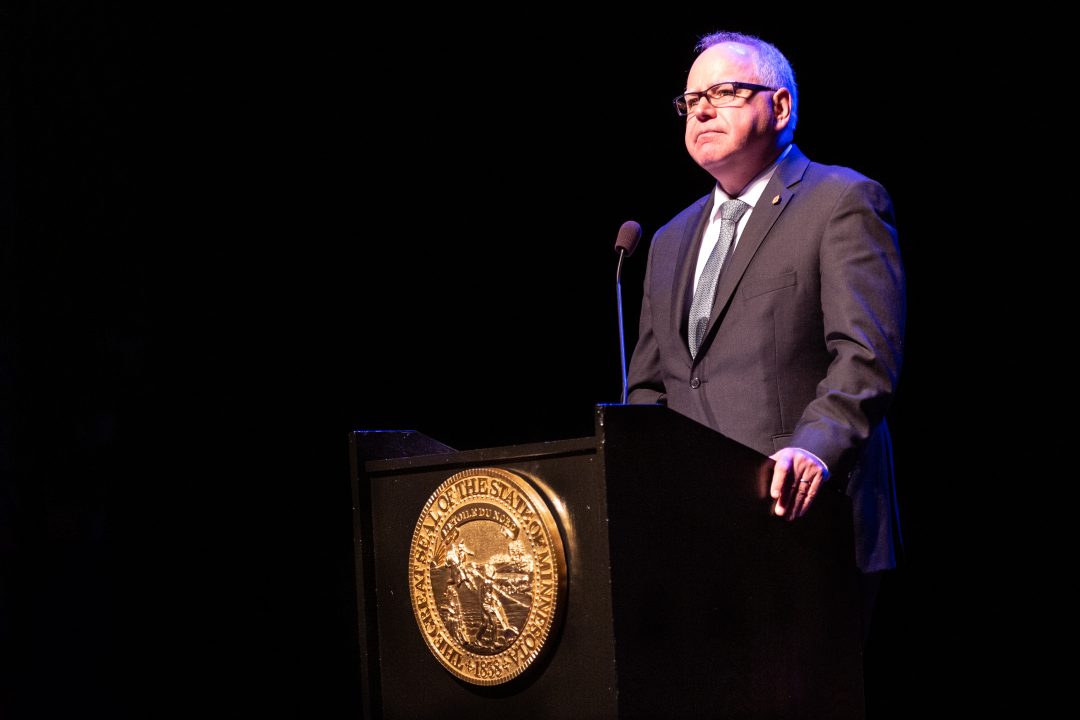
In an opinion piece, commentator David Marcus asserted that Minnesota Governor Tim Walz’s decision to end his re-election campaign reflects the political consequences of the state’s recent fraud scandal.
The column argues that Walz’s handling of the controversy — which centers on alleged misuse of public assistance funds — has eroded confidence among voters and lawmakers, ultimately influencing his choice to step away from another term. According to the piece, the governor’s response to the unfolding investigation and its public perception contributed to mounting pressure ahead of the next election cycle.
Marcus frames the situation as emblematic of broader tensions within the Democratic Party, suggesting that internal dynamics and public reaction to the fraud probe played a role in Walz’s career decision. The commentary highlights how political leadership is often judged not only on policy accomplishments but also on crisis management and accountability.
Readers of the column are presented with an interpretation of Walz’s circumstances rooted in the author’s perspective, connecting the governor’s withdrawal from the race to wider debates about political strategy, voter expectations, and the impact of ethics controversies on public officials’ careers.